Abortion taboo topic in federal campaign
Read this article for free:
or
Already have an account? Log in here »
To continue reading, please subscribe:
Digital Subscription
One year of digital access for only $75*
- Enjoy unlimited reading on winnipegfreepress.com
- Read the E-Edition, our digital replica newspaper
- Access News Break, our award-winning app
- Play interactive puzzles
*Billed as $5.77 plus GST every four weeks. After 52 weeks, price increases to the regular rate of $19.95 plus GST every four weeks. Offer available to new and qualified returning subscribers only. Cancel any time.
Monthly Digital Subscription
$4.99/week*
- Enjoy unlimited reading on winnipegfreepress.com
- Read the E-Edition, our digital replica newspaper
- Access News Break, our award-winning app
- Play interactive puzzles
*Billed as $19.95 plus GST every four weeks. Cancel any time.
To continue reading, please subscribe:
Add Free Press access to your Brandon Sun subscription for only an additional
$1 for the first 4 weeks*
- Enjoy unlimited reading on winnipegfreepress.com
- Read the E-Edition, our digital replica newspaper
- Access News Break, our award-winning app
- Play interactive puzzles
*Your next Brandon Sun subscription payment will increase by $1.00 and you will be charged $17.95 plus GST for four weeks. After four weeks, your payment will increase to $24.95 plus GST every four weeks.
Read unlimited articles for free today:
or
Already have an account? Log in here »
Hey there, time traveller!
This article was published 10/10/2019 (2556 days ago), so information in it may no longer be current.
Let’s make one thing clear about the likelihood of any political party reopening the thorny, politically charged, no-win debate on Canada’s abortion laws: it ain’t gonna happen.
No political party – not the Liberals, the Conservatives, the NDP, nor any other party that may hold the balance of power in a minority government – would even consider taking up the cause.
No party will campaign on it. No party leader wants to talk about it. And once in office — no matter how many “pro-life” MPs a governing party has (all parties have them) — no prime minister will have anything to do with a bill to bring in an abortion law.
So why does it keep coming up in this federal election campaign?
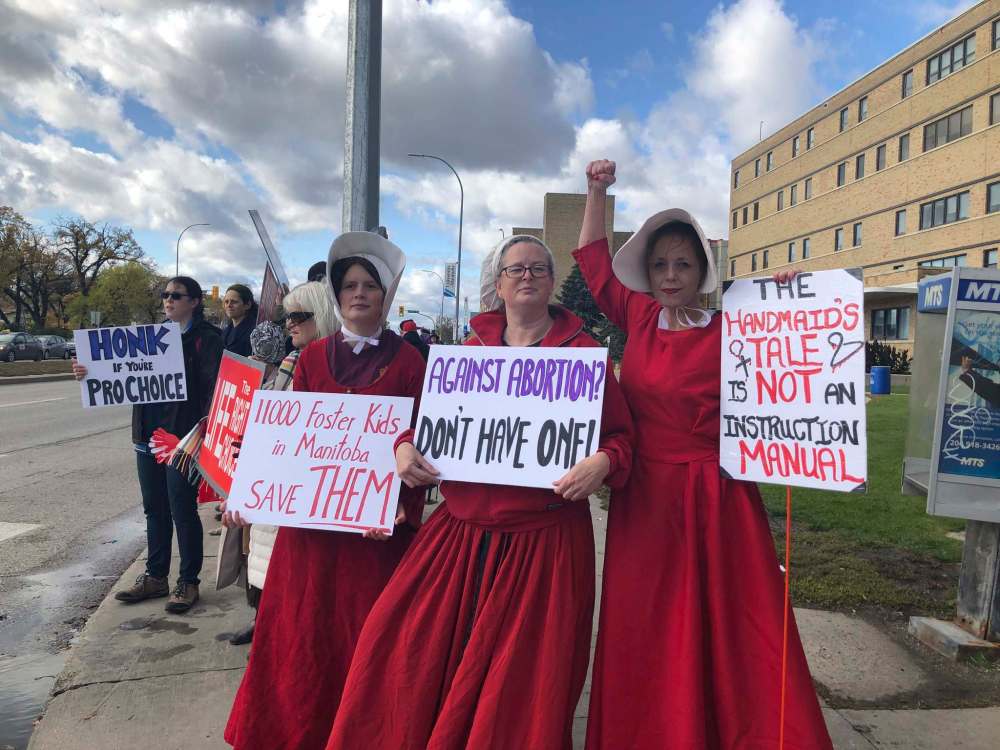
It’s about spreading fear. It’s the job of those who run campaigns to try to scare voters into believing their opponents have a secret plan to launch some divisive legislative agenda — including re-opening the abortion debate — the minute they assume office.
The use of fear is one of the most effective weapons in election campaigns, but for it to work, there has to be a kernel of believability to it. If a party is accusing a rival of having a secret agenda to “slash spending,” there has to be a history of that party doing so, or hinting it may, in order for people to believe it.
For abortion, the main ingredient to an effective fear campaign is to highlight how many pro-life candidates a party has, especially if one of them is a party leader. It doesn’t matter how unequivocal those candidates are in rejecting suggestions they may allow their personal beliefs to trump their duties as lawmakers. The moment a candidate admits they’re opposed to abortion, they become a target in a fear campaign.
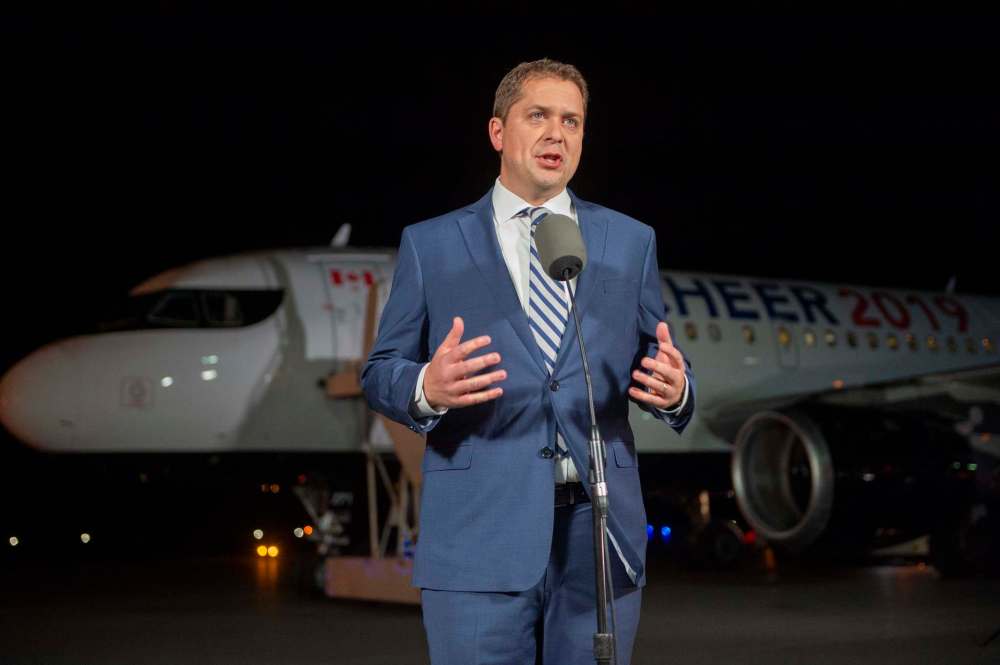
Conservative Leader Andrew Scheer has acknowledged he is personally opposed to abortion. Like many political leaders before him, Scheer says he would not let his personal beliefs on abortion affect his decisions as a parliamentarian. He has said repeatedly that a Conservative government would not reopen the abortion debate.
There’s plenty of precedent for that among leaders. Former prime minister Jean Chrétien was very open about the fact that, for religious reasons, he was against abortion. But he insisted he would never let that influence his job as prime minister. He made good on that pledge.
Former prime minster Stephen Harper always said he wouldn’t re-open the abortion debate, and he didn’t.
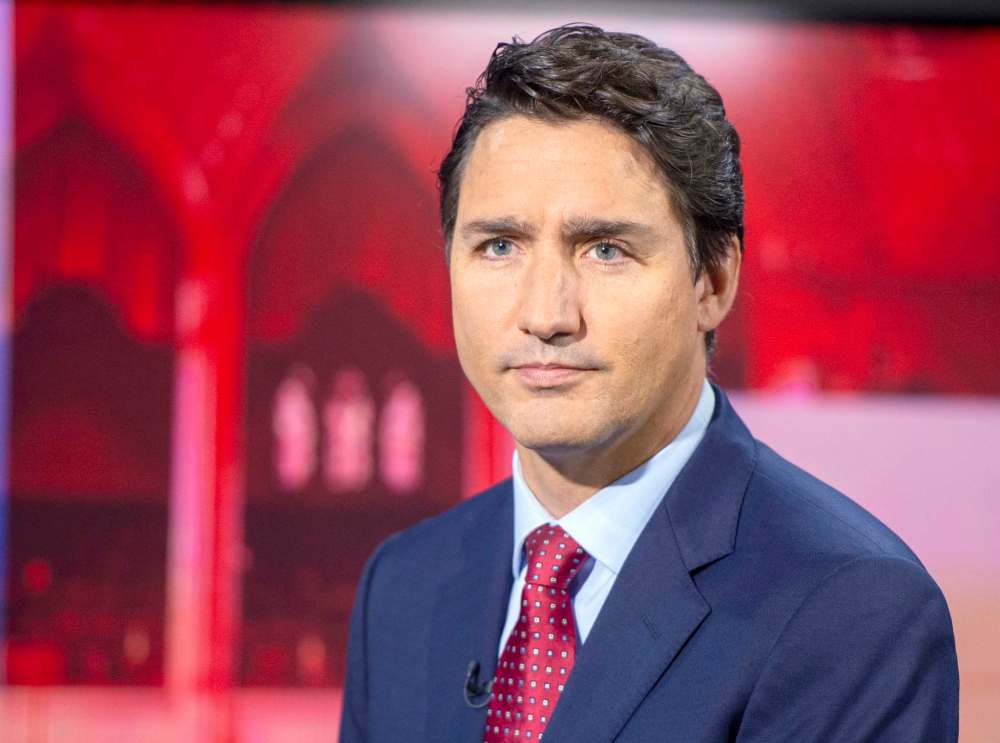
The current prime minister, Justin Trudeau, has said in the past he was personally opposed to abortion. But like many MPs, he vowed he wouldn’t let his religious beliefs interfere with his job as a lawmaker. It’s only recently that Trudeau said he’s changed his mind on abortion and that he’s no longer opposed to it personally.
Whatever the case, no government in Canada is going to re-open this debate. Campaign strategists can push the fear factor all they want on this issue, but there’s zero chance any political party would pursue it.
The former Mulroney government was the last to try, after Canada’s abortion law was struck down by the Supreme Court in 1988. After a divisive debate and a free vote, Mulroney’s bill was narrowly passed by the House of Commons in 1990, but it was defeated in the Senate after a tie vote. Since then, no government has had any inclination to revisit it. None will.
Why should they? There’s no upside to it. Any government that tried to take it on would face nothing but grief, a caucus revolt and probably a sharp decline in public support.
Besides, even though Canada doesn’t technically have a law governing abortion, the legislative void that’s existed since 1988 serves the country reasonably well. Providing the service is lawful. Women have the right to choose, as they should. And notwithstanding some of the challenges that still exist in Canada when it comes to accessing abortion services, the system works fairly well.
For most politicians, leaving well enough alone is the preferred option, regardless of their personal views on abortion.
That’s not about to change anytime soon.
tom.brodbeck@freepress.mb.ca

Tom Brodbeck is an award-winning author and columnist with over 30 years experience in print media. He joined the Free Press in 2019. Born and raised in Montreal, Tom graduated from the University of Manitoba in 1993 with a Bachelor of Arts degree in economics and commerce. Read more about Tom.
Tom provides commentary and analysis on political and related issues at the municipal, provincial and federal level. His columns are built on research and coverage of local events. The Free Press’s editing team reviews Tom’s columns before they are posted online or published in print – part of the Free Press’s tradition, since 1872, of producing reliable independent journalism. Read more about Free Press’s history and mandate, and learn how our newsroom operates.
Our newsroom depends on a growing audience of readers to power our journalism. If you are not a paid reader, please consider becoming a subscriber.
Our newsroom depends on its audience of readers to power our journalism. Thank you for your support.
Related Articles
Liberals win 4th mandate as NDP vote collapses and Singh announces he will resign