

Black River First Nation sues Hydro, governments

Advertisement
Read this article for free:
or
Already have an account? Log in here »
To continue reading, please subscribe:
Digital Subscription
One year of digital access for only $75*
- Enjoy unlimited reading on winnipegfreepress.com
- Read the E-Edition, our digital replica newspaper
- Access News Break, our award-winning app
- Play interactive puzzles
*Billed as $5.77 plus GST every four weeks. After 52 weeks, price increases to the regular rate of $19.95 plus GST every four weeks. Offer available to new and qualified returning subscribers only. Cancel any time.
Monthly Digital Subscription
$4.99/week*
- Enjoy unlimited reading on winnipegfreepress.com
- Read the E-Edition, our digital replica newspaper
- Access News Break, our award-winning app
- Play interactive puzzles
*Billed as $19.95 plus GST every four weeks. Cancel any time.
To continue reading, please subscribe:
Add Free Press access to your Brandon Sun subscription for only an additional
$1 for the first 4 weeks*
- Enjoy unlimited reading on winnipegfreepress.com
- Read the E-Edition, our digital replica newspaper
- Access News Break, our award-winning app
- Play interactive puzzles
*Your next Brandon Sun subscription payment will increase by $1.00 and you will be charged $17.95 plus GST for four weeks. After four weeks, your payment will increase to $24.95 plus GST every four weeks.
Read unlimited articles for free today:
or
Already have an account? Log in here »
Hey there, time traveller!
This article was published 16/02/2026 (253 days ago), so information in it may no longer be current.
Black River First Nation has filed a pair of lawsuits asserting its rights have been violated in hydroelectric and resource projects on its traditional lands and waters.
The First Nation, situated on the east shore of Lake Winnipeg, filed the two statements of claim in the Court of King’s Bench earlier this month.
One of the lawsuits names Manitoba Hydro and the federal and provincial governments as defendants.
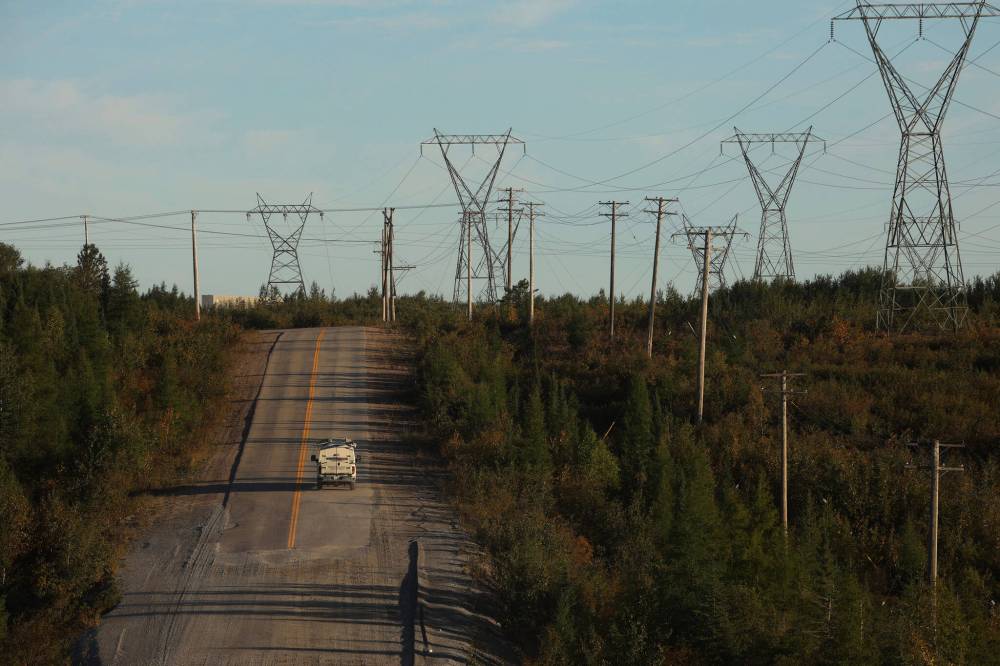
TIM SMITH FOR THE NARWHAL FILE PHOTO
Manitoba Hydro power lines near the Nelson River northeast of Gillam. Black River First Nation is suing Manitoba Hydro and the provincial and federal governments.
The lawsuit accuses the public utility of poorly managing the water levels of Lake Winnipeg — via dams and power plants on the Nelson River and Hydro’s Lake Winnipeg regulation project — for its own economic gains, in a manner that harms Black River.
The court papers argue Black River has suffered economic losses and damages from the loss of cultural activities, traditional way of life and economic activities derived from use of the land and waterways, particularly around the O’Hanly and Black rivers and Lake Winnipeg, as a result.
The lawsuit alleges the three defendants have breached duties owed to the First Nation and failed to consult with it, despite Hydro’s activities allegedly causing serious harm to Black River’s way of life.
The First Nation alleges it has lost access to land due to shoreline erosion, to harvesting sites, to ceremonial sites, to the ability to fish and trap, to cultural practices and lost economic growth as a result of Hydro’s activities.
The lawsuit is seeking compensation and reimbursement for costs Black River is alleged to have incurred as a result of Hydro regulating water levels.
It seeks court orders requiring Hydro to pay Black River a royalty or transit fee as compensation and for all the defendants to consult with it, among others.
The second lawsuit, which names the federal and provincial governments as defendants, claims Black River have Aboriginal title to subsurface rights to its traditional lands, but that the defendants have filed to preserve its rights in trust.
The court filing alleges the defendants have breached their duties to Black River and have allowed the First Nation to suffer economic damages from the loss of use of the land.

MIKE DEAL / FREE PRESS FILES
Sheldon Kent is the chief of Black River First Nation.
The lawsuit alleges Treaty 5, which Black River signed, indicates all signatories did not surrender Aboriginal title rights to the land’s subsurface.
The court papers accuse the governments of infringing on title rights by allowing resource extraction without compensation to Black River, among other claims.
The defendants have not replied to either of the lawsuits in court.
Black River First Nation is located about 138 kilometres northeast of Winnipeg.
erik.pindera@freepress.mb.ca
Erik Pindera is a reporter for the Free Press, mostly focusing on crime and justice. The born-and-bred Winnipegger attended Red River College Polytechnic, wrote for the community newspaper in Kenora, Ont. and reported on television and radio in Winnipeg before joining the Free Press in 2020. Read more about Erik.
Every piece of reporting Erik produces is reviewed by an editing team before it is posted online or published in print — part of the Free Press‘s tradition, since 1872, of producing reliable independent journalism. Read more about Free Press’s history and mandate, and learn how our newsroom operates.
Our newsroom depends on a growing audience of readers to power our journalism. If you are not a paid reader, please consider becoming a subscriber.
Our newsroom depends on its audience of readers to power our journalism. Thank you for your support.
Erik Pindera is a reporter for the Free Press, mostly focusing on crime and justice. The born-and-bred Winnipegger attended Red River College Polytechnic, wrote for the community newspaper in Kenora, Ont. and reported on television and radio in Winnipeg before joining the Free Press in 2020. Read more about Erik.
Every piece of reporting Erik produces is reviewed by an editing team before it is posted online or published in print — part of the Free Press‘s tradition, since 1872, of producing reliable independent journalism. Read more about Free Press’s history and mandate, and learn how our newsroom operates.
Our newsroom depends on a growing audience of readers to power our journalism. If you are not a paid reader, please consider becoming a subscriber.
Our newsroom depends on its audience of readers to power our journalism. Thank you for your support.
Related Articles
Province, treaty commission develop new Grade 12 course


Advertisement Advertise With Us
Advertisement Advertise With Us