

What to know about the electrical grid failure that plunged Cuba into darkness
Advertisement
Read this article for free:
or
Already have an account? Log in here »
To continue reading, please subscribe:
Digital Subscription
One year of digital access for only $75*
- Enjoy unlimited reading on winnipegfreepress.com
- Read the E-Edition, our digital replica newspaper
- Access News Break, our award-winning app
- Play interactive puzzles
*Billed as $5.77 plus GST every four weeks. After 52 weeks, price increases to the regular rate of $19.95 plus GST every four weeks. Offer available to new and qualified returning subscribers only. Cancel any time.
Monthly Digital Subscription
$4.99/week*
- Enjoy unlimited reading on winnipegfreepress.com
- Read the E-Edition, our digital replica newspaper
- Access News Break, our award-winning app
- Play interactive puzzles
*Billed as $19.95 plus GST every four weeks. Cancel any time.
To continue reading, please subscribe:
Add Free Press access to your Brandon Sun subscription for only an additional
$1 for the first 4 weeks*
- Enjoy unlimited reading on winnipegfreepress.com
- Read the E-Edition, our digital replica newspaper
- Access News Break, our award-winning app
- Play interactive puzzles
*Your next Brandon Sun subscription payment will increase by $1.00 and you will be charged $17.95 plus GST for four weeks. After four weeks, your payment will increase to $24.95 plus GST every four weeks.
Read unlimited articles for free today:
or
Already have an account? Log in here »
Hey there, time traveller!
This article was published 19/10/2024 (743 days ago), so information in it may no longer be current.
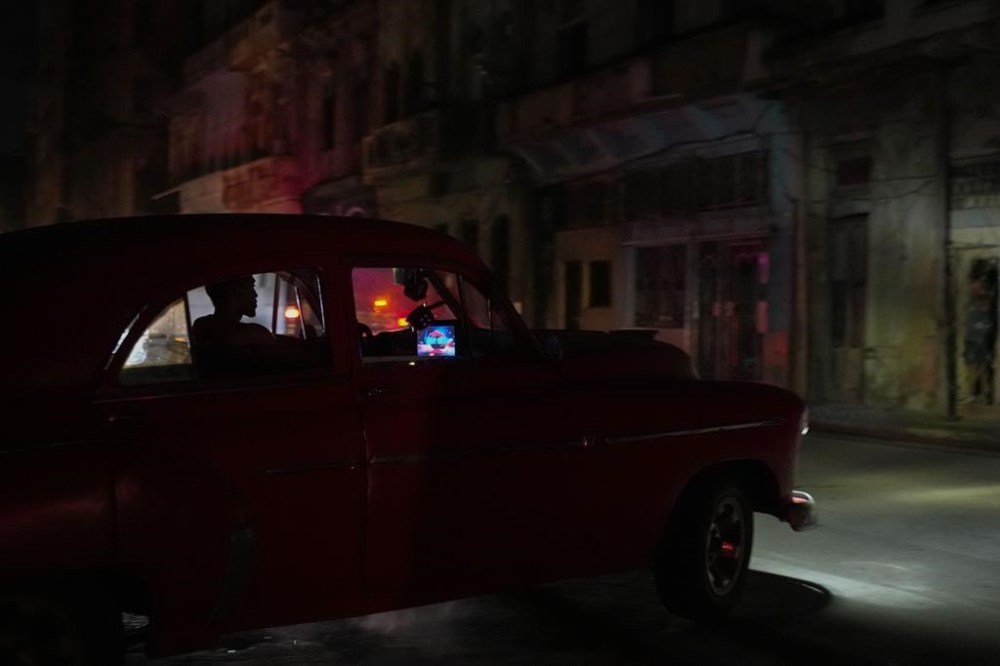
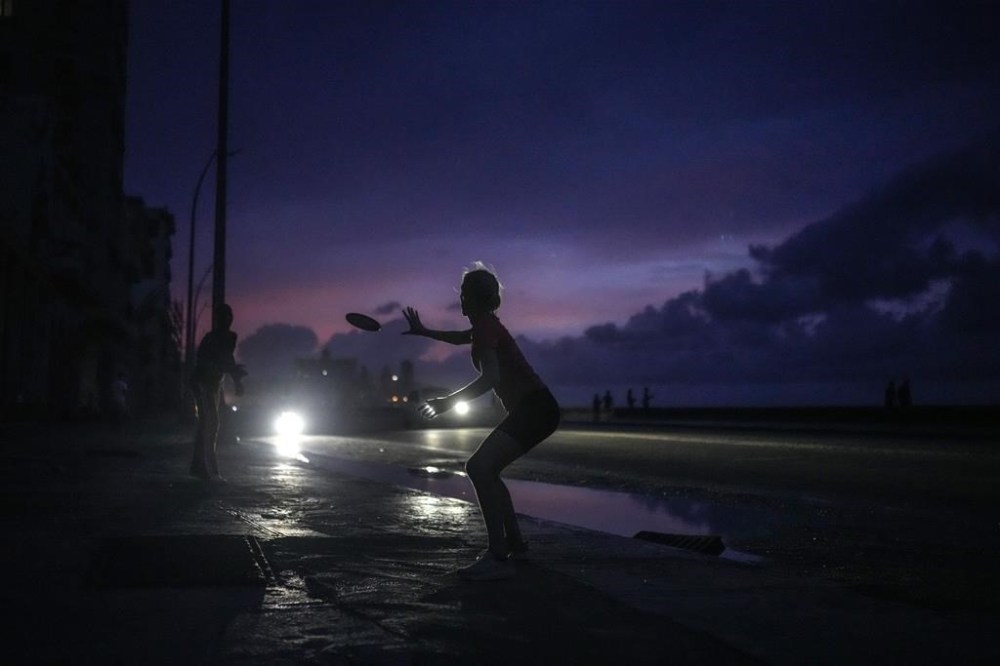
HAVANA (AP) — Millions of people in Cuba were left without electricity for two days after the nation’s energy grid went down when one of the island’s major power plants failed. The widespread blackout that swept across the county was the worst in years.
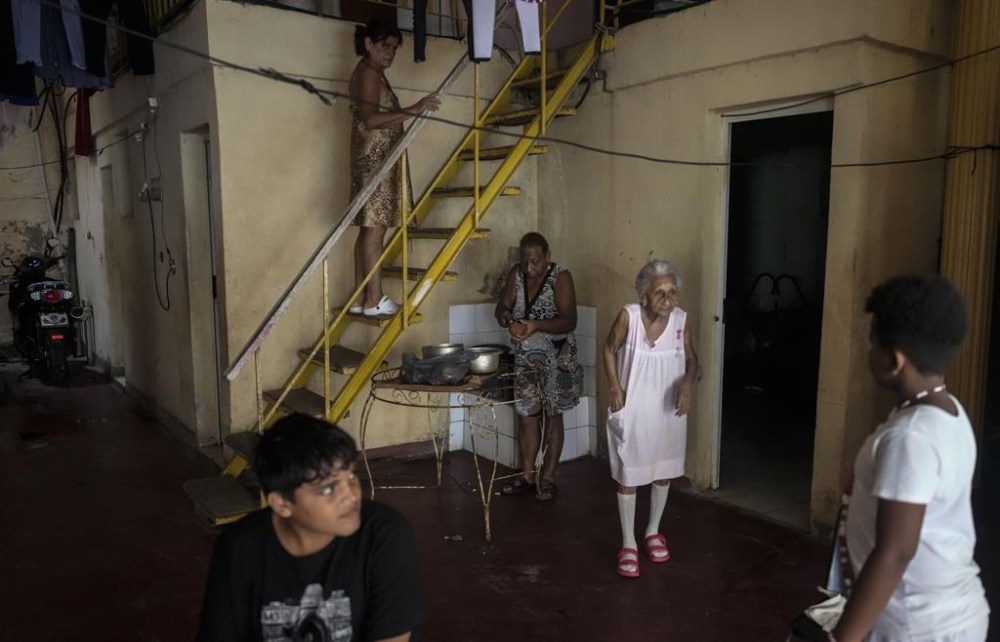
Authorities have restored power to some people in Cuba’s capital, where 2 million people live, but much of Havana has remained dark. The impact of the blackout goes beyond lighting, as services like water supply also depend on electricity to run pumps.
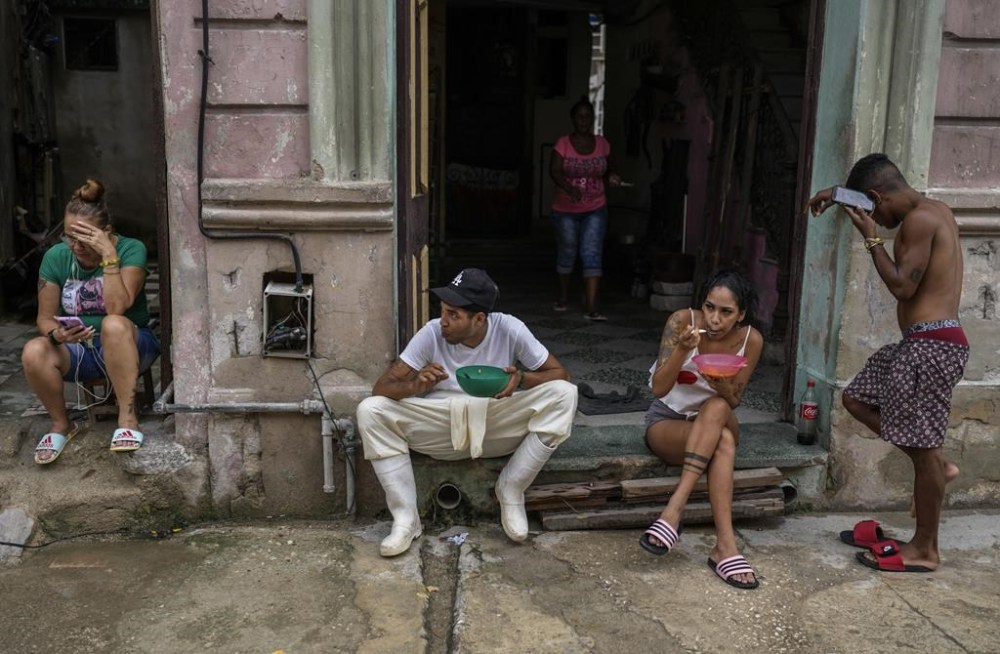
People have resorted to cooking with improvised wood stoves on the streets before their food went bad in refrigerators.
Here are a few things to know:
What happened and why?
About half of Cuba was plunged into darkness on Thursday evening, followed by the entire island on Friday morning after the failure of the Antonio Guiteras thermoelectric plant in Matanzas Province east of Havana.
Even in a country that for decades has been accustomed to frequent outages amid a series of economic crises, the grid failure was unprecedented in modern times, aside from incidents involving powerful hurricanes, such as one in 2022.
Even as Cuba worked to fix the power problems Saturday, the country issued hurricane watches for the far eastern Guantanamo, Holguin and Las Tunas provinces as a tropical storm developed into Hurricane Oscar, the 10th hurricane of the 2024 Atlantic hurricane season.
The National Hurricane Center said Sunday that Oscar was expected to produce a dangerous storm surge in parts of the southeastern Bahamas and Cuba
Authorities said the outage that began Thursday stemmed from increased demand from small- and medium-sized companies and residences’ air conditioners — as many as 100,000 additional ones this year alone. They also blamed breakdowns in old thermoelectric plants that haven’t been properly maintained because of a lack of hard currency due to U.S. sanctions, as well as insufficient fuel to operate some facilities.
Has this happened before?
While some homes have spent up to eight hours a day this year without electricity as the grid has grown more unstable, the current power failure is considered Cuba’s worst in years.
Officials said that 1.64 gigawatts went offline during peak hours, about half the total demand at the time. The government implemented emergency measures to slash demand, suspended classes, and shut down some state-owned workplaces and canceled non-essential services.
Another major collapse occurred two years ago after Hurricane Ian, an intense Category 3 storm, damaged power installations and the government took days to fix them.
Any political consequences?
It’s unknown how Cubans will react if the current blackout endures or recurs.
But problems in the electrical grid have helped sparked street protests several times in recent years, including large demonstrations in July 2021 that led to international criticism of the government for its harsh response. There were also smaller demonstrations due to blackouts in October 2022 and March of this year.
Authorities now say changes to electricity rates for small- and medium-sized companies, which have proliferated since they were first authorized by the communist government in 2021, are being considered.
What’s next?
Officials said the state-owned power company UNE was using distributed generation to provide power to some areas of the island and that a gas-fired thermoelectric plant was starting operations.
Cuba gets its power from huge thermoelectric plants like Antonio Guiteras and some smaller ones, which require crude oil to operate. The country produces about half of the crude needed, but must purchase some of the rest on the international market, which can be difficult and costly due to U.S. sanctions. It has also depended on allies like Venezuela and Russia for cheaper fuel.
Authorities have been working since last year on a project to upgrade the island’s electrical grid through the use of alternative power sources. A project to build 31 centers generating solar energy is under way and projected to be completed next year.
“We are devoting absolute priority to addressing and solving this highly sensitive energy contingency,” Cuba’s President Miguel Díaz-Canel wrote on X. “There will be no rest until its restoration.”
____
Follow AP’s coverage of Latin America and the Caribbean at https://apnews.com/hub/latin-america
Related Articles
Tropical Storm Oscar disintegrates en route to the Bahamas after killing 7 people in Cuba
Advertisement Advertise With Us
Advertisement Advertise With Us