Natural resources
Please review each article prior to use: grade-level applicability and curricular alignment might not be obvious from the headline alone.

Pause at N.W.T. diamond mine amid weak market ‘serious news,’ industry minister says
4 minute read Preview Wednesday, Mar. 4, 2026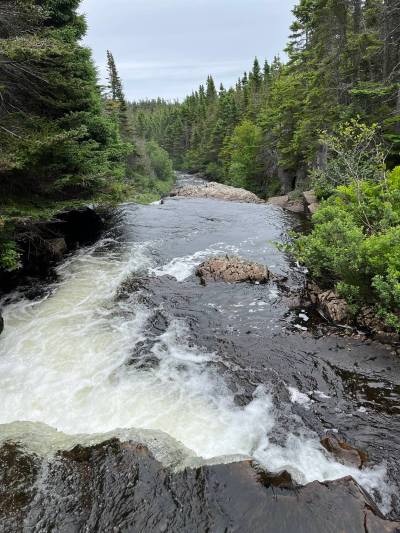
Bracing for a future global water shortage
4 minute read Preview Thursday, Feb. 5, 2026
First Nation says Hydro misuse of river diversion destroying sturgeon population
5 minute read Preview Thursday, Jan. 22, 2026
Damage estimates spiral as Pimicikamak tries to recover from power outage, deep freeze
7 minute read Preview Sunday, Jan. 4, 2026
Northwest Territories facing a hard-as-diamonds reality as pivotal industry wanes
7 minute read Preview Friday, Jan. 2, 2026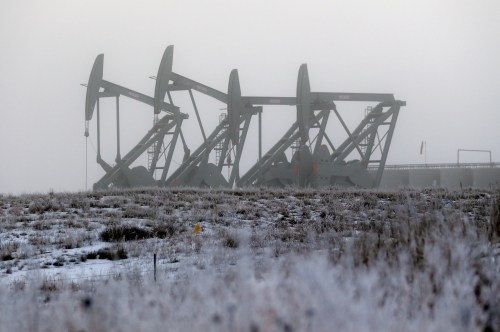
First Nations sue over oil-rich land
4 minute read Preview Saturday, Nov. 22, 2025First Nations accuse Hydro, province, feds of profiting from land
2 minute read Thursday, Oct. 30, 2025Two First Nations are suing Manitoba Hydro and the provincial and federal governments, claiming the institutions have made billions of dollars through hydroelectric operations on land the communities never agreed to cede.
In a statement of claim filed last week in the Court of King’s Bench, Canupawakpa Dakota Nation and Dakota Tipi First Nation in southern Manitoba are seeking damages for alleged infringement on their rights.
The court filing accuses the public utility, the province and the federal government of breaching duties owed to the Dakota nations and of unjustly enriching themselves at the expense of the communities, without consultation.
“The yearly revenue Manitoba Hydro produces from the land and particularly, the activities, is substantial,” reads the lawsuit.

Prairie harvest a mixed bag as tariff strife casts shadow over healthy crop
6 minute read Preview Wednesday, Oct. 15, 2025
Livestock producers mull support amid dry spell
4 minute read Preview Monday, Aug. 11, 2025
Province’s mine assessment ‘shoddy,’ environmental group says
4 minute read Preview Tuesday, Apr. 22, 2025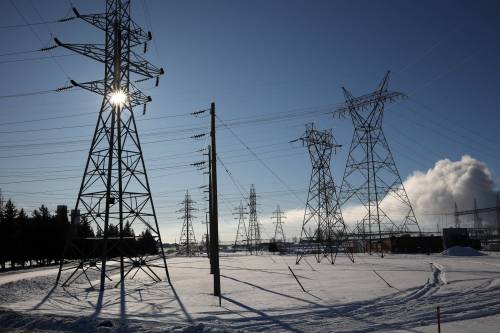
Locally produced renewable energy is the right call
5 minute read Preview Tuesday, Mar. 25, 2025‘Historic day’ as MMF signs royalty agreement with first potash mine
4 minute read Friday, Feb. 28, 2025Promises of potash money and partnership led the Manitoba Métis Federation to declare Friday a “historical day.”

Protesters gather at corner to oppose funding of pipeline
3 minute read Preview Monday, Aug. 23, 2021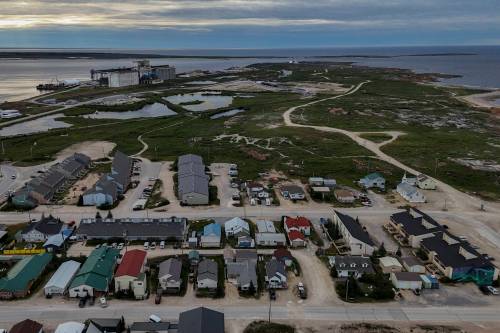
Big dreams, cold reality: Buzz builds for Port of Churchill, but risks could outweigh rewards
17 minute read Preview Friday, Feb. 27, 2026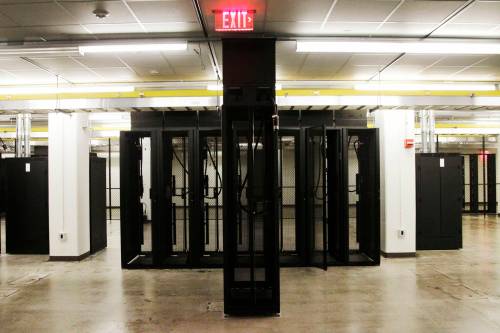
Data centres and Manitoba: a cautionary tale
5 minute read Preview Friday, Feb. 27, 2026
First Nations awaiting Hydro consults
5 minute read Preview Wednesday, Feb. 25, 2026
First Nations hopeful as Hydro’s first Indigenous chair eyes reversing years of enmity
5 minute read Preview Tuesday, Feb. 24, 2026Festival du Voyageur and the modern fur industry
4 minute read Tuesday, Feb. 24, 2026Festival du Voyageur, which wrapped up its 57th annual run this past weekend, is hard to pin down.
It is Western Canada’s largest winter festival and francophone event. It celebrates Indigenous history and culture. It used to hold staged gunfights or “skirmishes” and a casino.
It can be easy to forget that Festival du Voyageur is at its core a celebration of Canada’s fur trade history. Without the fur trade, there would be no Canada as we know it. Among other things, it was the engine of French settlement in North America and gave birth to the Metis Nation. At the same time, the fur trade had profound and lasting negative impacts on Indigenous communities and devastated local populations of beavers and other animals. Any event that commemorates a history as deeply contentious as that of the fur trade — especially one that draws tens of thousands of people each year — must do so responsibly.
Festival du Voyageur agrees.
Town of Virden sues province, engineer firm over aquifer
3 minute read Monday, Feb. 23, 2026The Town of Virden is suing the provincial government and an engineering consulting firm for recommending it switch to a new aquifer, which ran out of drinking water four years later.

Alberta premier asks voters to bypass Indigenous rights
5 minute read Preview Saturday, Feb. 21, 2026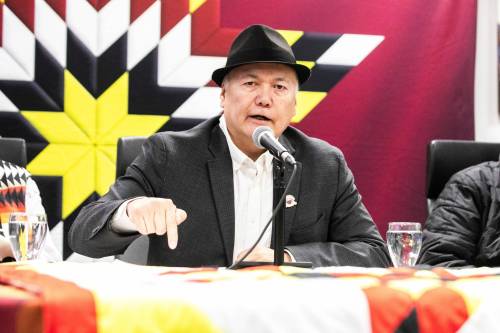
Norway House files suit against Hydro, governments over Lake Winnipeg
5 minute read Preview Saturday, Feb. 21, 2026
Data centres and infrastructure: an expensive pairing
3 minute read Preview Friday, Feb. 20, 2026
Tired of waiting, First Nation buys $8M worth of generators
5 minute read Preview Friday, Feb. 13, 2026