

Australian central bank cuts benchmark interest rate for the first time since October 2020
Advertisement
Read this article for free:
or
Already have an account? Log in here »
To continue reading, please subscribe:
Digital Subscription
One year of digital access for only $75*
- Enjoy unlimited reading on winnipegfreepress.com
- Read the E-Edition, our digital replica newspaper
- Access News Break, our award-winning app
- Play interactive puzzles
*Billed as $5.77 plus GST every four weeks. After 52 weeks, price increases to the regular rate of $19.95 plus GST every four weeks. Offer available to new and qualified returning subscribers only. Cancel any time.
Monthly Digital Subscription
$4.99/week*
- Enjoy unlimited reading on winnipegfreepress.com
- Read the E-Edition, our digital replica newspaper
- Access News Break, our award-winning app
- Play interactive puzzles
*Billed as $19.95 plus GST every four weeks. Cancel any time.
To continue reading, please subscribe:
Add Free Press access to your Brandon Sun subscription for only an additional
$1 for the first 4 weeks*
- Enjoy unlimited reading on winnipegfreepress.com
- Read the E-Edition, our digital replica newspaper
- Access News Break, our award-winning app
- Play interactive puzzles
*Your next Brandon Sun subscription payment will increase by $1.00 and you will be charged $17.95 plus GST for four weeks. After four weeks, your payment will increase to $24.95 plus GST every four weeks.
Read unlimited articles for free today:
or
Already have an account? Log in here »
Hey there, time traveller!
This article was published 17/02/2025 (617 days ago), so information in it may no longer be current.
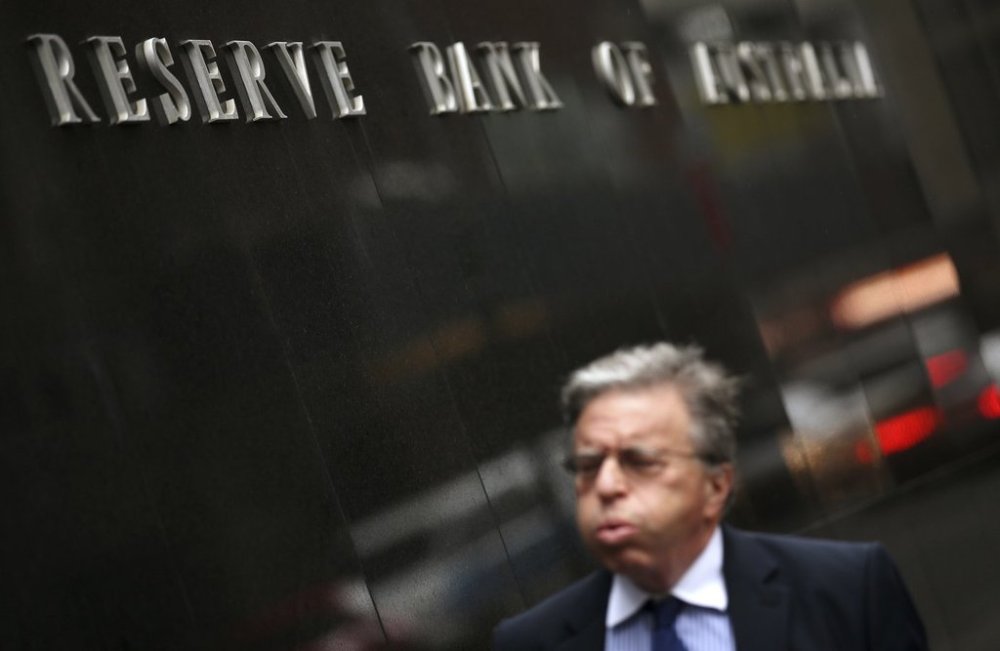
MELBOURNE, Australia (AP) — Australia’s central bank on Tuesday reduced its benchmark interest rate for the first time since October 2020 as the nation’s inflation cools.
The Reserve Bank of Australia reduced the cash rate by a quarter percentage point from 4.35% to 4.1% at its first board meeting for the year.
The cut was widely anticipated after inflation rose only 0.2% in the December quarter and 2.4% for calendar 2024. Annual inflation peaked at 7.8% two years earlier.
The bank manipulates interest rates to keep inflation within a target band of between 2% and 3%.
“Inflation has fallen substantially since the peak in 2022, as higher interest rates have been working to bring aggregate demand and supply closer towards balance,” the board said in a statement.
Bank Governor Michele Bullock later advised against believing economic forecasts that several more rate cuts were expected this year. The board will next consider changing interest rates at its meeting on April 1.
“Some other central banks have cut interest rates quite sharply over the past year, but we have taken a different strategy to most,” Bullock told reporters.
“Our policy rate was not raised as much as many countries overseas. We judged that while inflation expectations remained anchored, we could take a bit longer to bring inflation back to the target band, but we could keep unemployment lower,” she added.
Unemployment in Australia remained at near-record low levels of 4% in December, up from 3.9% in November.
Bullock said U.S. plans to increase tariffs on trading partners had the potential to be bad for economic activity around the world.
“The tariff threats and what’s going on overseas is very uncertain and probably even worse, it’s unpredictable,” Bullock said.
The rate shift is a welcome development for Prime Minister Anthony Albanese’s center-left Labor Party government which will seek reelection at elections due by May 17.
Treasurer Jim Chalmers welcomed the independent board’s decision.
“This is the rate relief Australians need and deserve,” Chalmers said in a statement. “It won’t solve every problem in our economy or in household budgets but it will help.”
Chalmers said his government had curbed inflation without the negative consequences experienced in other countries including of high unemployment, a shrinking economy and recession.
Twelve of the last 13 rate increases have taken place since the government was elected for its first three-year term on May 21, 2022.
The cycle began in the final days of the previous government’s tenure when the rate rose from a record low 0.1% to 0.35% on May 4, 2022.
The high cost of living and a shortage of housing around Australia are expected to be major issues in the upcoming election campaign.
The central bank had held the cash rate at 4.35% since November 2023. That was the highest rate since it fell from 4.5% to 4.25% in December 2011.
Related Articles
Economists more confident in Bank of Canada rate hold as inflation ticks up to 1.9%
Advertisement Advertise With Us