

Hospitals’ IV fluid shortage may impact surgeries for weeks
Advertisement
Read this article for free:
or
Already have an account? Log in here »
To continue reading, please subscribe:
Digital Subscription
One year of digital access for only $75*
- Enjoy unlimited reading on winnipegfreepress.com
- Read the E-Edition, our digital replica newspaper
- Access News Break, our award-winning app
- Play interactive puzzles
*Billed as $5.77 plus GST every four weeks. After 52 weeks, price increases to the regular rate of $19.95 plus GST every four weeks. Offer available to new and qualified returning subscribers only. Cancel any time.
Monthly Digital Subscription
$4.99/week*
- Enjoy unlimited reading on winnipegfreepress.com
- Read the E-Edition, our digital replica newspaper
- Access News Break, our award-winning app
- Play interactive puzzles
*Billed as $19.95 plus GST every four weeks. Cancel any time.
To continue reading, please subscribe:
Add Free Press access to your Brandon Sun subscription for only an additional
$1 for the first 4 weeks*
- Enjoy unlimited reading on winnipegfreepress.com
- Read the E-Edition, our digital replica newspaper
- Access News Break, our award-winning app
- Play interactive puzzles
*Your next Brandon Sun subscription payment will increase by $1.00 and you will be charged $17.95 plus GST for four weeks. After four weeks, your payment will increase to $24.95 plus GST every four weeks.
Read unlimited articles for free today:
or
Already have an account? Log in here »
Hey there, time traveller!
This article was published 22/10/2024 (740 days ago), so information in it may no longer be current.
Surgery schedules around the country may be washed out for several more weeks while a crucial IV and sterile fluids factory remains shut down for hurricane-related damage.
People often plan non-emergency surgeries in the fall and early-winter months when their insurance coverage will pick up more of the bill, but they may have to wait while health systems preserve supplies for emergencies.
“It’s not great for patients, but it’s kind of doing the most good with what you have,” said Erin Fox, associate chief pharmacy officer at University of Utah Health.
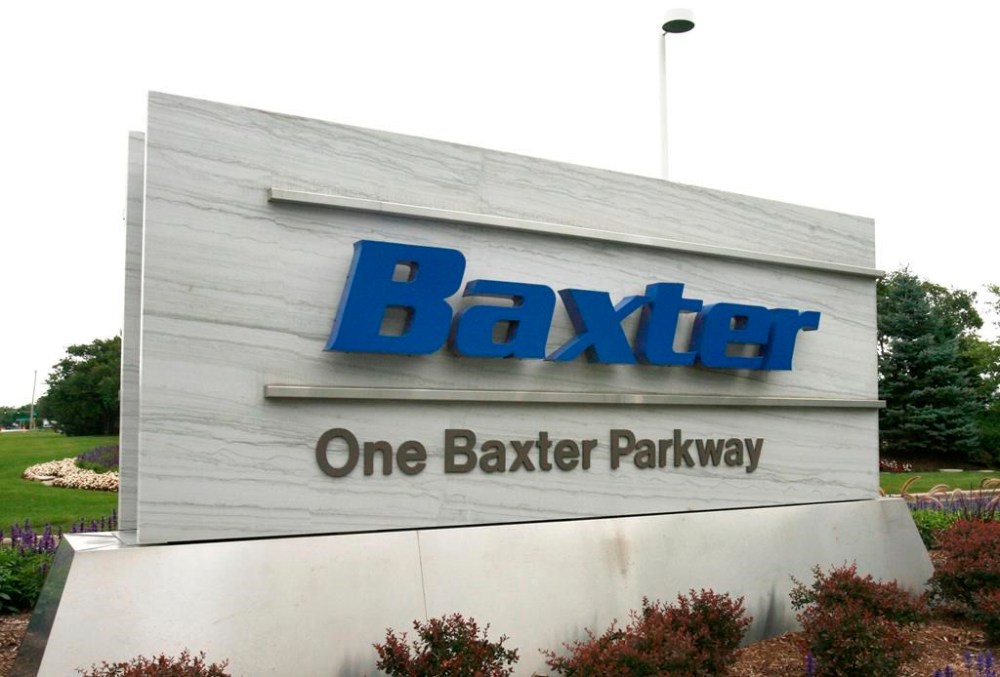
The federal government and medical suppliers have taken several steps to help ease the supply crunch created by Hurricane Helene, which forced Baxter International to close its North Carolina plant late last month.
But experts say supplies are still choppy, and improvements will take time. Here’s a closer look the situation.
What did Hurricane Helene do?
Baxter’s North Cove, North Carolina, location makes about 60% of the intravenous solutions used in the U.S. every day, according to the American Hospital Association. It also makes fluids used by patients on home dialysis and sterile water used to clean patient surgery sites during operations.
But flooding triggered by the storm washed out bridges nearby and water came into the factory, forcing the shutdown. Baxter says the site sustained no structural damage.
How has this affected patient care?
Health systems started conserving fluids shortly after the plant shut down. Some switched patients who can drink fluids to Gatorade or water instead of giving them an IV.
Hospitals also have started postponing planned procedures that can wait, like some orthopedic surgeries or heart procedures, said Dr. Chris DeRienzo, chief physician executive for the American Hospital Association.
Baxter has limited the fluids supplies it sends to distributors and health systems. The impact on a patient will depend partly on how heavily a hospital or health system relies on Baxter, said Nancy Foster, a vice president with the hospital association.
What’s being done to improve supplies?
The U.S. Food and Drug Administration has approved temporarily importing fluids from Baxter plants in several countries.
The company also has already started easing some of the limits it had placed on supplies.
Baxter rival B. Braun Medical has increased production at its Daytona Beach, Florida, site, which escaped damage from another hurricane, and at a location in California.
The FDA also issued new temporary guidelines designed to make it easier for compounding pharmacies to produce certain IV drugs that are in short supply.
Will this help the IV fluids shortage?
Supply experts are optimistic that the situation will improve, but they can’t say whether these moves will fill the void left by the plant shutdown.
Fox said her health system is still dealing with uncertainty because the amount Baxter has allocated to them isn’t always available through their distributor.
Foster said hospitals like to have extra supply sitting on their shelves so they can handle both planned surgeries and the unexpected, but “we’re not going to be there for a while.”
Another complication: Hospitals and surgery centers are heading into a busy time of year. Cold and flu season fills hospital beds. Plus patients also tend to schedule more procedures toward the end of the year before their deductibles renew in January, exposing them to thousands of dollars in costs.
When will Baxter’s factory reopen?
Power and water are back on at the North Carolina plant. Employees have completed a deep cleaning in production rooms and are testing and repairing equipment.
Baxter says it wants to restart production in phases by the end of the year, and also expects to ease limits it has placed on some customer orders by then.
But the company has no timeline for production to return to pre-hurricane levels.
___
AP Health Writer Matthew Perrone contributed to this report.
___
The Associated Press Health and Science Department receives support from the Howard Hughes Medical Institute’s Science and Educational Media Group. The AP is solely responsible for all content.
Related Articles
Tropical Storm Oscar disintegrates en route to the Bahamas after killing 7 people in Cuba
Advertisement Advertise With Us
Advertisement Advertise With Us