

Olympic politics, intrigue and sports marketing history recounted in IOC insider’s new book
Advertisement
Read this article for free:
or
Already have an account? Log in here »
To continue reading, please subscribe:
Digital Subscription
One year of digital access for only $75*
- Enjoy unlimited reading on winnipegfreepress.com
- Read the E-Edition, our digital replica newspaper
- Access News Break, our award-winning app
- Play interactive puzzles
*Billed as $5.77 plus GST every four weeks. After 52 weeks, price increases to the regular rate of $19.95 plus GST every four weeks. Offer available to new and qualified returning subscribers only. Cancel any time.
Monthly Digital Subscription
$4.99/week*
- Enjoy unlimited reading on winnipegfreepress.com
- Read the E-Edition, our digital replica newspaper
- Access News Break, our award-winning app
- Play interactive puzzles
*Billed as $19.95 plus GST every four weeks. Cancel any time.
To continue reading, please subscribe:
Add Free Press access to your Brandon Sun subscription for only an additional
$1 for the first 4 weeks*
- Enjoy unlimited reading on winnipegfreepress.com
- Read the E-Edition, our digital replica newspaper
- Access News Break, our award-winning app
- Play interactive puzzles
*Your next Brandon Sun subscription payment will increase by $1.00 and you will be charged $17.95 plus GST for four weeks. After four weeks, your payment will increase to $24.95 plus GST every four weeks.
Read unlimited articles for free today:
or
Already have an account? Log in here »
Hey there, time traveller!
This article was published 18/02/2026 (254 days ago), so information in it may no longer be current.
MILAN (AP) — Political pressure on Olympic officials, like in the case of the Ukraine skeleton racer’s memorial helmet at the Milan Cortina Games, is nothing new, according to a long-time IOC insider.
Cold War tensions. Keeping North Korea engaged with South Korea’s hosting plans. Making sure the 2002 Salt Lake City Winter Games opened months after the 9/11 attacks. And more recently the Olympic fallout from Russia’s invasion of Ukraine.
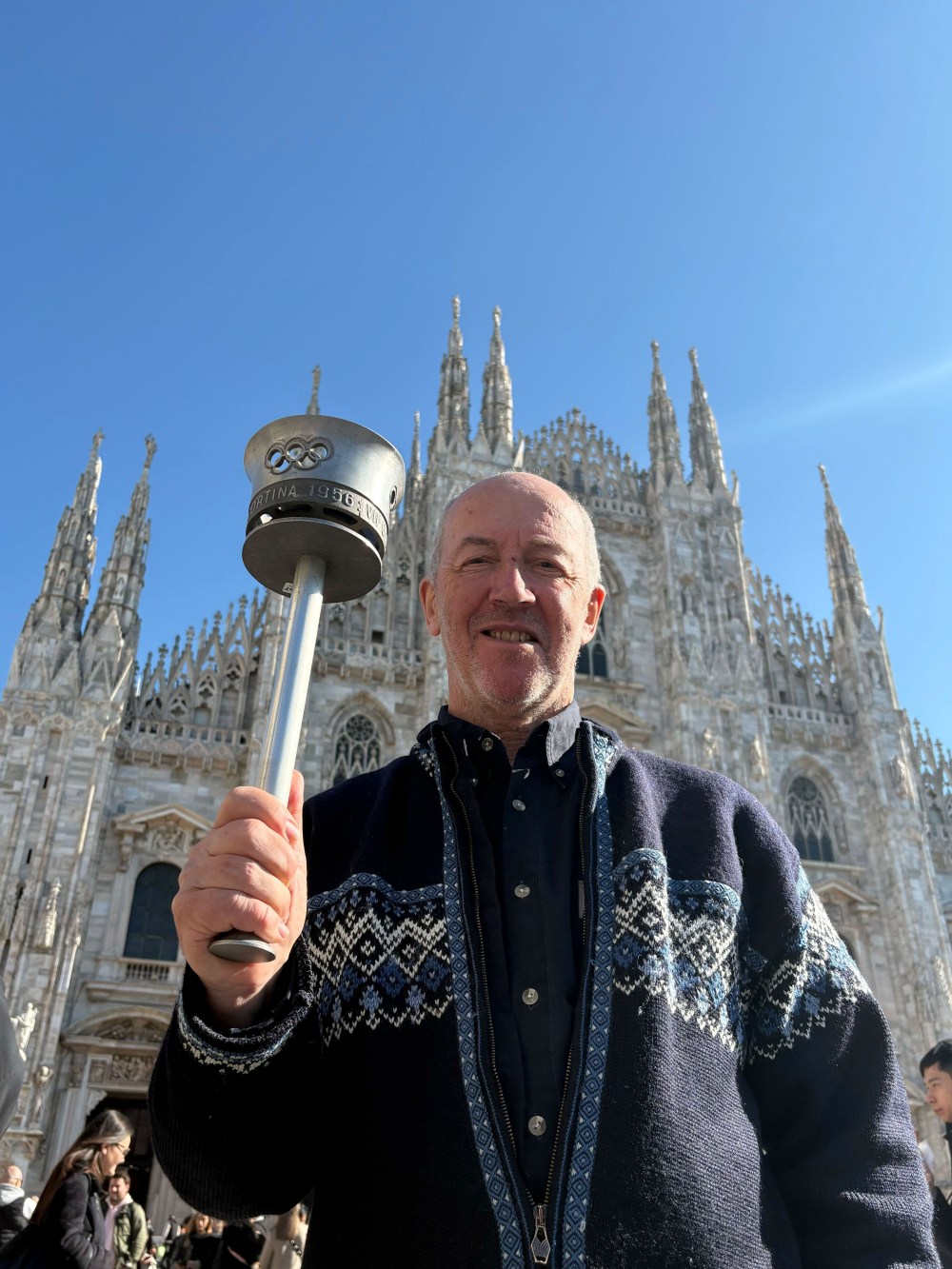
More than four decades of Olympic intrigue and financial vision are recounted in “Fast Tracks and Dark Deals” by Michael Payne, the International Olympic Committee’s former marketing director.
“There has always been political clouds and issues impacting the Olympic Games,” Payne told The Associated Press, saying it offers “political oxygen” unique in global sports.
“I started my career where you were caught as a pawn in the superpower game,” said the former British freestyle skier, who moved to Switzerland to work on Olympic marketing in 1983.
That was between back-to-back Cold War boycotts of the Summer Games in Moscow and Los Angeles. Payne formally joined the Lausanne-based IOC after the 1988 Seoul Olympics.
“The IOC walks an incredibly fine balancing act,” Payne said. “It’s the one time every two or four years you bring the whole world together with a media platform second to none.”
Olympic spotlight
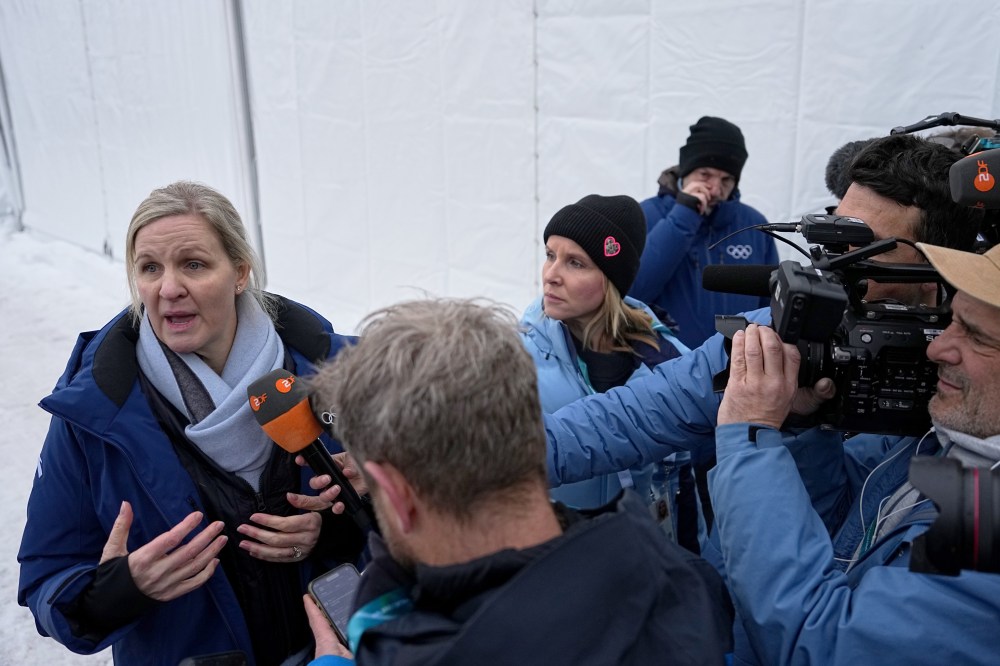
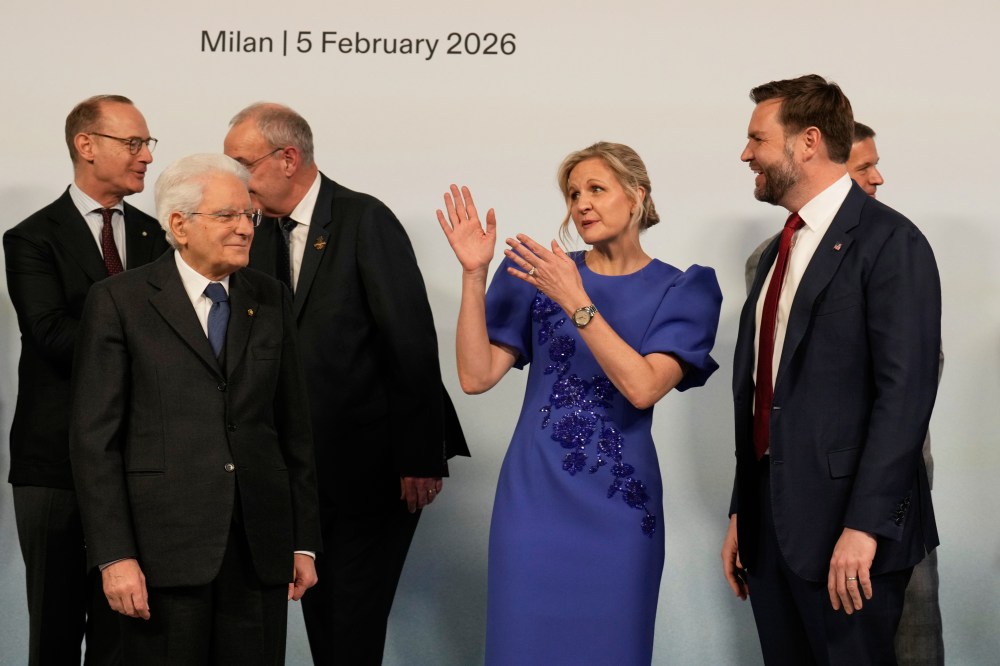
The Olympic spotlight this year was seized by Ukraine and skeleton racer Vladyslav Heraskevych. He was eventually disqualified from his event despite an early-morning trackside plea from IOC President Kirsty Coventry, who tearfully explained their meeting to the media. It was an intense time of high-level politics for a new president overseeing her first Olympics.
While his rivals raced in Cortina d’Ampezzo last Friday evening, Heraskevych already was in Munich being feted by Ukrainian President Volodymyr Zelenskyy.
“The IOC didn’t have a choice,” Payne said of the case, looking ahead to the 2028 Los Angeles Olympics. “Imagine what Los Angeles would have looked like from nations with disproportionate influence over their athletes.”
Could the Ukraine case push back the IOC’s timetable for lifting a 2 1/2-year suspension of the Russian Olympic Committee?
“The answer to that has to be yes,” Payne said.
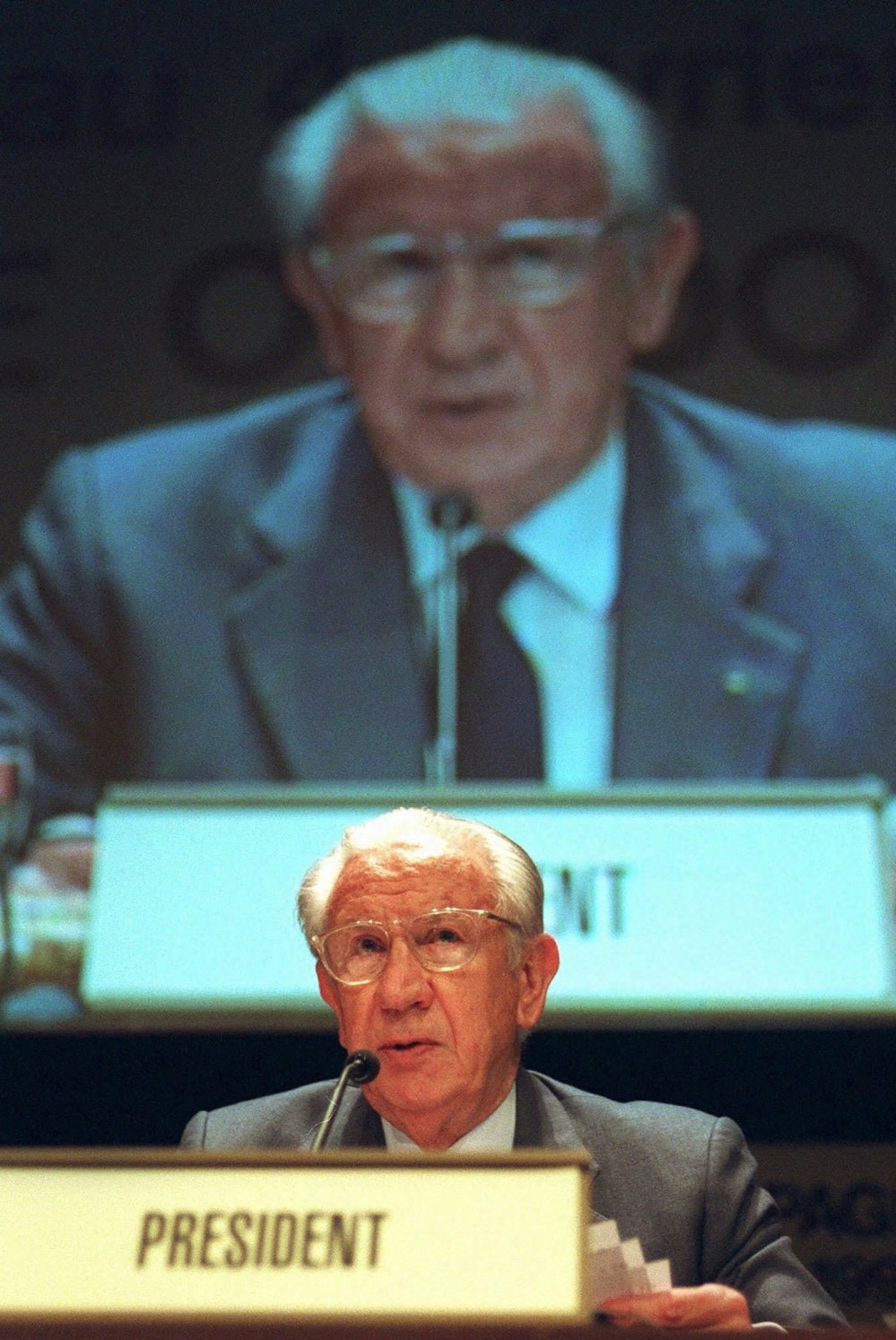
Payne learned Olympic politics from Juan Antonio Samaranch, the IOC president who served for 21 years until 2001.
He talks admiringly of Samaranch’s “Machiavellian genius” keeping North Korea at the negotiating table long enough to protect the 1988 Seoul Olympics from the political turmoil that seemed likely in the country’s transition to democracy.
Political challenges change, Payne said, but public affection remains.
“People still care about (the Olympics),” he said. “They still want it to succeed.”
Insider memoir
“Fast Tracks and Dark Deals” is in equal parts a gadfly memoir, a text book on the sports marketing industry and an unofficial history of recent Summer and Winter Olympics.
It offers an up-close look at some of the big names who hired Payne: Samaranch, Horst Dassler from the Adidas family, and Formula One boss Bernie Ecclestone.
Along the way, Payne recounts blockbuster negotiations with networks for TV rights in the United States, a bizarre meeting in Rupert Murdoch’s Manhattan office, and clashing with Olympic sponsor McDonald’s during the opening ceremony of the 1996 Atlanta Games.
Payne shut down a lighted golden arches sign that could be seen outside the stadium during the athlete parade, showing how the IOC protected a storied Olympic policy of commercial-free “clean venues.”
Payne also worked on The Olympic Partner program, known as TOP, when it launched after the profitable and privately-run 1984 Los Angeles Games. He calls Samaranch and Dassler visionaries who steered the Olympics back to financial health and relevance.
“People forget how close the Olympics came to dying, just slowly shriveling up,” Payne told the AP. “We were not fully out of the woods until Barcelona ’92.”
TOP program
The first four-year Olympiad of TOP from 1985–88 earned $96 million. The 2024 Paris Olympics cycle brought in about $3 billion in cash and services.
“The TOP program has been without question the most successful sports marketing program,” Payne said, noting it was not easy for national Olympic officials to accept.
“The Americans saw it as diverting American money to the communists and stealing their gold medals,” he said. “The communists said, ‘We don’t want the West getting more money because we’ll have to raise our budgets and we don’t have the money.’”
The program flourished in the globalized world and reached a peak moment at Davos in 2017 when Alibaba founder Jack Ma signed a deal with then-IOC president Thomas Bach at the Swiss resort.
What does TOP pay for and where is it heading?
Billions of dollars from sponsors have helped fund payments to Olympic hosts, hundreds of millions from each cycle go to national Olympic bodies and sports governing bodies, and tens of thousands go to scholarships that help athletes from less wealthy nations train and prepare.
Coventry ordered a review last year of the IOC’s marketing strategy as sponsors push for more relaxation of the clean venue rules.
“Like any company or organization,” Payne said, “it needs sometimes to take stock and recalibrate.”
___
AP Olympics: https://apnews.com/hub/milan-cortina-2026-winter-olympics
Related Articles
Freestyle skier Sharpe crashes at halfpipe qualifier as Canadians advance to final


Advertisement Advertise With Us
Advertisement Advertise With Us