Identity, Culture and Community
Please review each article prior to use: grade-level applicability and curricular alignment might not be obvious from the headline alone.
When the internet first arrived in the mid-1990s, it screeched. Literally.
It screamed its way into our homes through the telephone lines, a metallic cry that sounded like the future forcing its way through. We waited through the static, convinced that life was about to get easier. People said it would save us time, let us work from home and give us more hours with our families.
No one mentioned that it would also move into our bedrooms, our pockets and our dreams. No one could have imagined that it would change how we fight, how we march, how we plead for justice. That the fight for justice itself would become a digital labyrinth where truth moves slowly and attention moves fast.
Back then, when a heroine from a popular early-2000s television show was dumped with nothing but a handwritten note, it became a cultural tragedy. There was nothing noble about writing your cowardice on a Post-it. A few years later, a company fired hundreds by email and it made national news. Today, we “quietly quit” through apps without blinking, edit our grief into reels, add the music the app suggests and call it closure.

Forum Art Centre and the art of neighbourhood life
5 minute read Preview Thursday, Oct. 30, 2025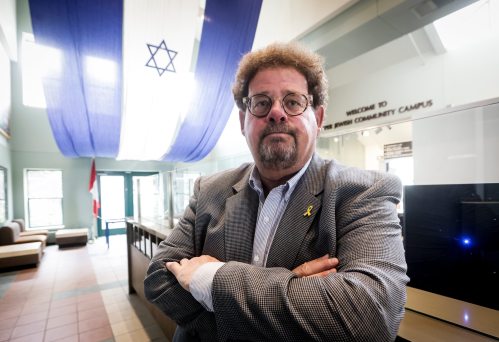
On second anniversary of Oct. 7 attacks and start of Gaza war, officers say rushing to cover painful vandalism reduces odds of arrests
8 minute read Preview Tuesday, Oct. 7, 2025Muslim-Jewish dialogue group encourages empathy
5 minute read Saturday, Oct. 4, 2025Three days after Oct. 7, 2023, Ari Zaretsky received an email message that brought him to tears. The message expressed deep condolences for the massacre of Israeli civilians at the hands of Hamas, and a recognition of the pain and grief that Zaretsky and his family must be enduring.
The email was sent from Wesam Abuzaiter, who, like Zaretsky, worked at Sunnybrook Health Sciences Centre in Toronto. Abuzaiter, a pharmacist, is a Canadian-Palestinian Muslim originally from Gaza. Zaretsky, a psychiatrist, is a Canadian Jew and Zionist.
Together, they are the founders of the Sunnybrook dialogue group.
Abuzaiter and Zaretsky had crossed paths in the hospital a few years before —when he invited her to share her personal journey as an international graduate during an educational session with her colleagues. During that presentation, Zaretsky also shared that he was a child of Holocaust survivors.
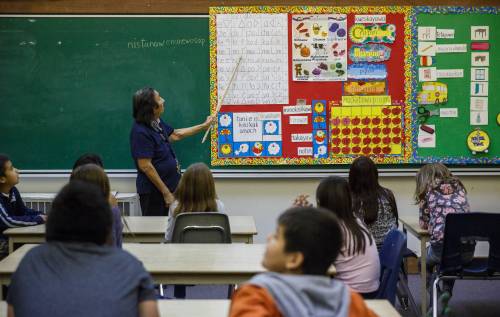
Schools work to fulfil promise afforded by new law supporting Indigenous language
5 minute read Preview Tuesday, Sep. 30, 2025
Silenced no more: Indigenous languages celebrated at site of former residential school
4 minute read Preview Tuesday, Sep. 30, 2025
Only moratorium can save moose population: MWF
4 minute read Preview Wednesday, Sep. 24, 2025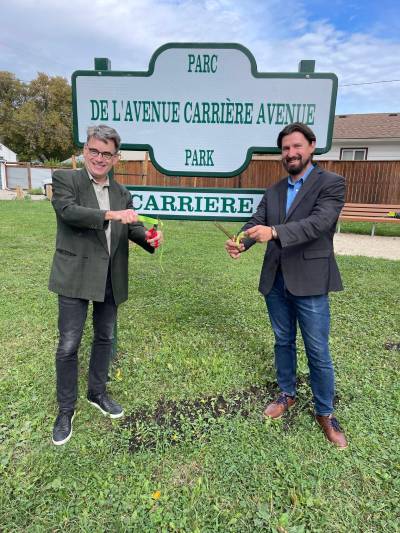
Motion to rename park withdrawn after MMF complaint
3 minute read Preview Tuesday, Sep. 23, 2025
Winnipeg Jets fan support ‘like none other’
6 minute read Preview Saturday, Sep. 20, 2025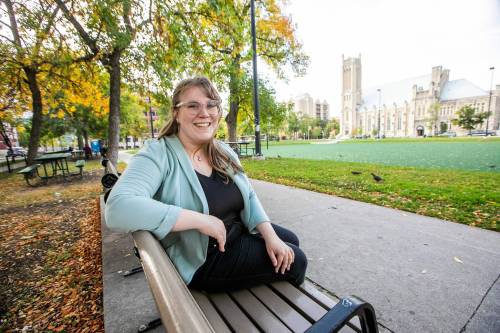
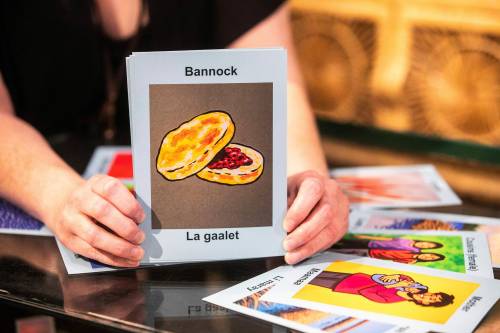
Introduction to Michif — one word at a time
4 minute read Preview Friday, Sep. 19, 2025
St. Boniface residents drained after demolition of Happyland pool
4 minute read Preview Friday, Sep. 19, 2025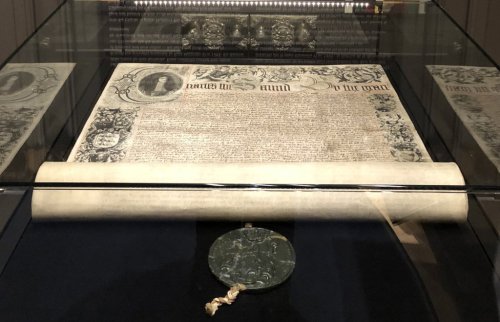
Hudson’s Bay seeks approval to auction off 1670 charter, court filings show
5 minute read Preview Friday, Oct. 10, 2025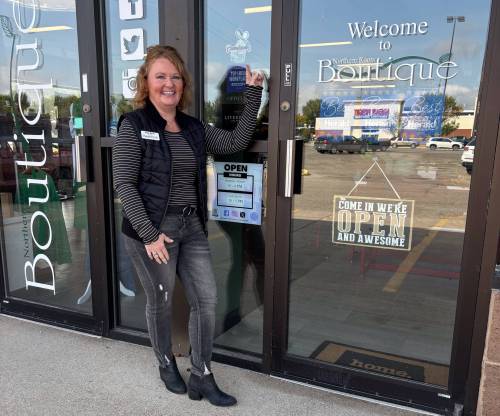
North Dakota missing its Manitobans
6 minute read Preview Friday, Sep. 19, 2025
After summer evacuation, northern students ready to hit the books
4 minute read Preview Friday, Sep. 19, 2025
Clarity, ‘competitiveness’ key to name change
4 minute read Preview Thursday, Sep. 18, 2025
We all live in glass houses now
5 minute read Preview Wednesday, Sep. 17, 2025
Mayor, inner circle want assaults on firefighters, paramedics added to Criminal Code
4 minute read Preview Wednesday, Sep. 17, 2025
The big meaning behind micro-relationships, and why we should talk to strangers more
8 minute read Preview Friday, Oct. 10, 2025
Province creates hunting buffer zone on Bloodvein First Nation
3 minute read Preview Monday, Sep. 15, 2025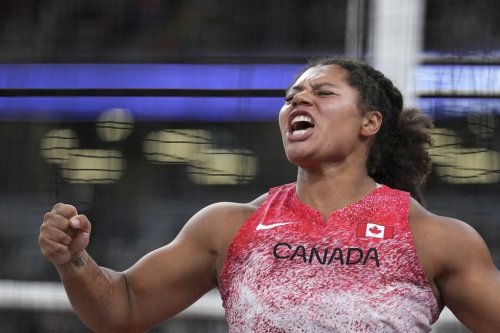
Rogers wins gold, sets Canadian record in hammer throw at world championships
4 minute read Preview Wednesday, Oct. 15, 2025
‘As we grow, our roots only grow deeper’: Red River Mutual insurance company celebrates 150 years
6 minute read Preview Monday, Sep. 15, 2025
Blame game after acts of political violence can lead to further attacks, experts warn
6 minute read Preview Friday, Oct. 10, 2025