
Family Studies
Please review each article prior to use: grade-level applicability and curricular alignment might not be obvious from the headline alone.

Frustrated educators disconnecting distracted students from devices
4 minute read Preview Thursday, Feb. 8, 2024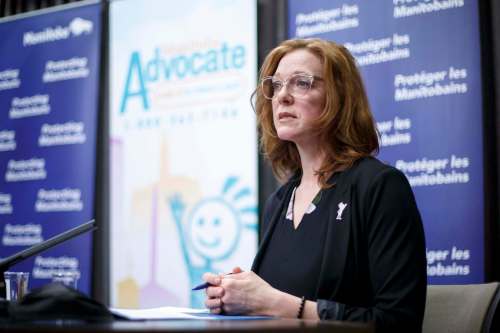
Manitoba youth concerned about mental health: survey
3 minute read Preview Thursday, Aug. 19, 2021Portage la Prairie School Division holds firm to religious exemption refusal
4 minute read Wednesday, Mar. 4, 2026The Portage la Prairie School Division is upholding a decision to reject a family’s request for a religious exemption from activities related to Indigenous spirituality.
Sharon Sanders Zettler and Vince Zettler have spent the better part of the academic year seeking accommodations for their children at Yellowquill School.
“I have raised my kids in the Catholic faith from Day 1 and I am just looking for respect for that,” said Sanders Zettler, a mother of students enrolled in Grades 5 and 7 in Portage la Prairie.
Her husband echoed those comments while noting they are not interested in policing what other children learn.

Trial against Meta in New Mexico highlights video depositions by top executives
4 minute read Preview Wednesday, Mar. 4, 2026Debt levels a worry for Prairie residents
4 minute read Tuesday, Mar. 3, 2026Nearly half of Manitobans have debt on their mind.
New data compiled by Ipsos on behalf of MNP Ltd. shows that 46 per cent of Manitoba and Saskatchewan residents say they are concerned about their current level of debt, a figure that went up six points between 2020 and 2025. More than two in five (44 per cent) regret the amount of debt they have taken on over their lifetime.
MNP, the largest insolvency practice in Canada, released the data Monday as it promotes Debt Literacy Month throughout March.
A debt literacy gap persists, the organization said in a news release. Borrowing has become more common amid cost-of-living pressures, and many Manitoba and Saskatchewan residents are unclear on how interest works in practice or how rate changes affect their own financial position.
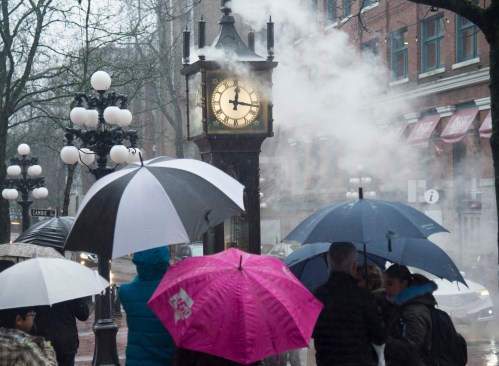
Last spring forward for B.C. as it moves to permanent daylight time
6 minute read Preview Tuesday, Mar. 3, 2026Grandparents and grandchildren can grow together
4 minute read Monday, Mar. 2, 2026When my now five-year-old grandson was younger, we enjoyed an easygoing relationship, the kind often represented as idyllic in popular media culture — harmonious, reciprocal, restorative.
We would walk the woods together, gather berries, cavort. He ran towards me when I appeared at his door, asked me to sit beside him at meals. We shared bowls of purple grapes while we built garages out of magnet tiles, “assisted” one another in the garden, drew pictures, consulted about the weather and planned possible treats.
Over the last several months, however, our relationship has changed as his personality and behaviour develop. He is less favourably inclined towards me and more unforgiving if I misstep or mistake boundaries that are important to him.
I had picked him up for years from his daycare, for example, but when he moved to a new school this fall, he became increasingly upset if I, rather than his mother or father, came to get him.
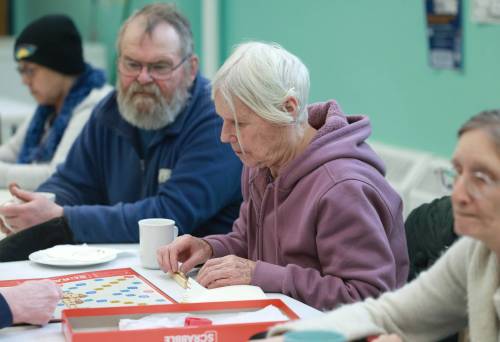
Three determined church members join forces to build thriving social community for seniors in the West End
5 minute read Preview Saturday, Feb. 28, 2026
Chief says more funding needed to repair homes after power outage, flooding
4 minute read Preview Saturday, Feb. 28, 2026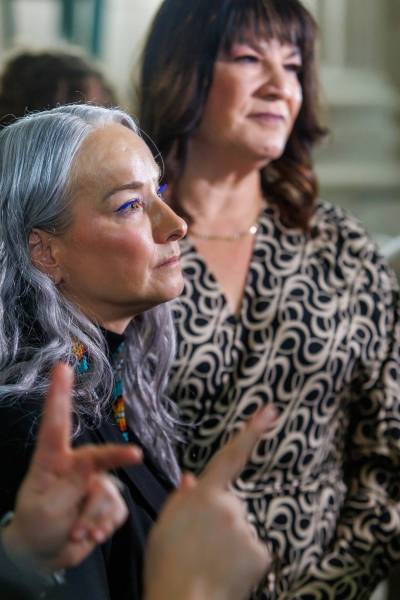
The number of impoverished children is growing
4 minute read Preview Saturday, Feb. 28, 2026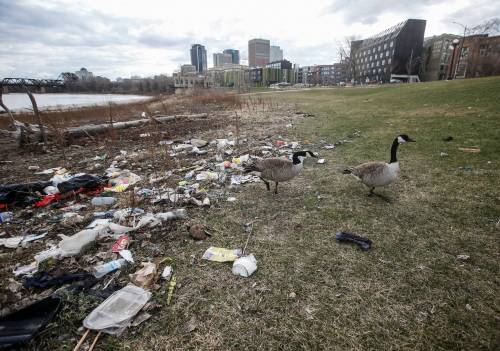
Almost 12% of city parks, open spaces in poor condition: report
4 minute read Preview Friday, Feb. 27, 2026
Young woman says she was on social media ‘all day long’ as a child in landmark addiction trial
7 minute read Preview Wednesday, Mar. 4, 2026Put fairness at centre of Manitoba budget
5 minute read Thursday, Feb. 26, 2026The thousands of Manitobans struggling to pay their rent and put food on the table are looking for relief in Manitoba’s upcoming spring budget. The wealthy are benefiting from the status quo; political leadership is needed to stop rising poverty and act on the gap between the rich and the rest of us. The Manitoba government must rise to the occasion and deliver strong policy responses to provide help and relief. Inaction will only let the income gap widen further.
Closing the gap between the rich and the rest of us is not only a moral and ethical imperative; it is also key to improving overall health, reducing crime, supporting labour force participation, and community well-being. Wealth concentration undermines democracy by enabling those with means to influence government in ways that benefit themselves to the disadvantage of the majority.
Recent Canadian data show income inequality at record levels, with the wealthiest households benefiting most. According to Statistics Canada, over the past year, those living in the lowest quarter have 0.5 per cent less disposable income. Those with the highest have 4.3 per cent more.
In the last budget, the Manitoba government took a promising step by clawing back the basic personal amount tax credit for those earning more than $200,000 a year. This is an important first step and should include more upper-class Manitobans.

Housing affordability challenges remain despite recent improvements: CMHC
3 minute read Preview Thursday, Feb. 26, 2026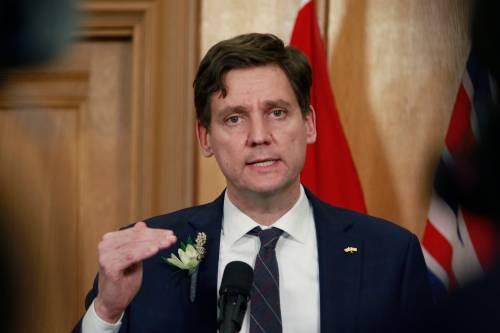
AI chatbots and teens — a sometimes deadly combination
4 minute read Preview Wednesday, Feb. 25, 2026
Organizations join forces to make First Nation kids’ dreams a little sweeter
4 minute read Preview Wednesday, Feb. 25, 2026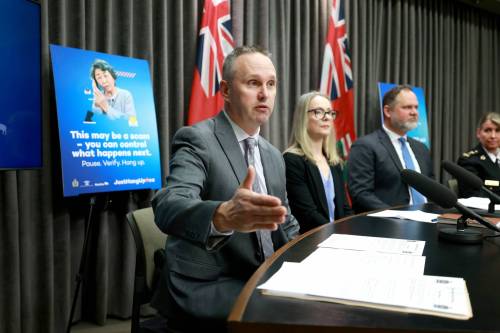
Police warn about AI use in sophisticated scam calls
3 minute read Preview Wednesday, Feb. 25, 2026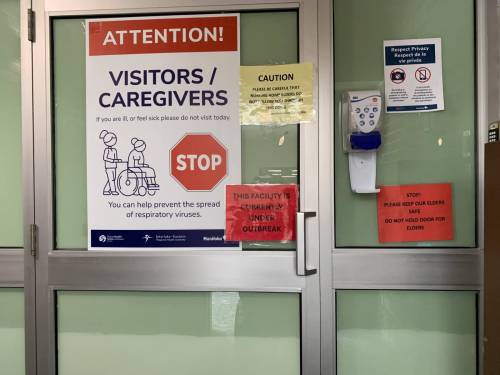
Sustained scabies outbreak frustrates families of PCH residents
4 minute read Preview Tuesday, Feb. 24, 2026
Councillors approve developer’s request to cut number of affordable units in new West Broadway apartment block
5 minute read Preview Monday, Feb. 23, 2026
‘We need to act,’ health minister says as Canada seeks feedback on men’s health
4 minute read Preview Tuesday, Feb. 24, 2026
Eby says it looks like OpenAI could have prevented ‘horrific’ Tumbler Ridge killings
5 minute read Preview Tuesday, Feb. 24, 2026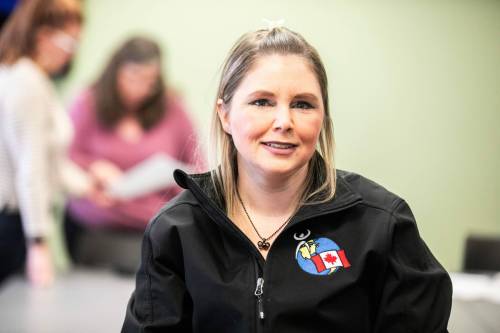
People First president focuses on helping those who need help
8 minute read Preview Monday, Feb. 23, 2026
Tax-filing season begins today. Here’s all you need to know
4 minute read Preview Thursday, Feb. 26, 2026