



Ladybugs tend to lose their charm in large numbers
Advertisement
Hey there, time traveller!
This article was published 23/10/2017 (2966 days ago), so information in it may no longer be current.
With the cooler temperatures settling in, not only do we spend more time indoors, but other creatures migrate indoors with us.
Some of those creatures in our Fort Garry neighbourhood are the ladybugs (coccinellidae); they are actually beetles, not bugs. As invertebrates, they do not have a backbone. Sometimes hundreds congregate on the stucco walls waiting for access to an open door. Slowly as the ladybugs sneak in, they take up their residence on walls, curtains, windows, and carpets.
One ladybug may be photogenic and sweet but in the hundreds they lose their charm, especially when it comes to their odour. When ladybugs sense danger their defence mechanism is to secrete a chemical called pyrazine. Just like rotten-smelling food does not whet our appetite, the offensive ladybug odour wards off predators.
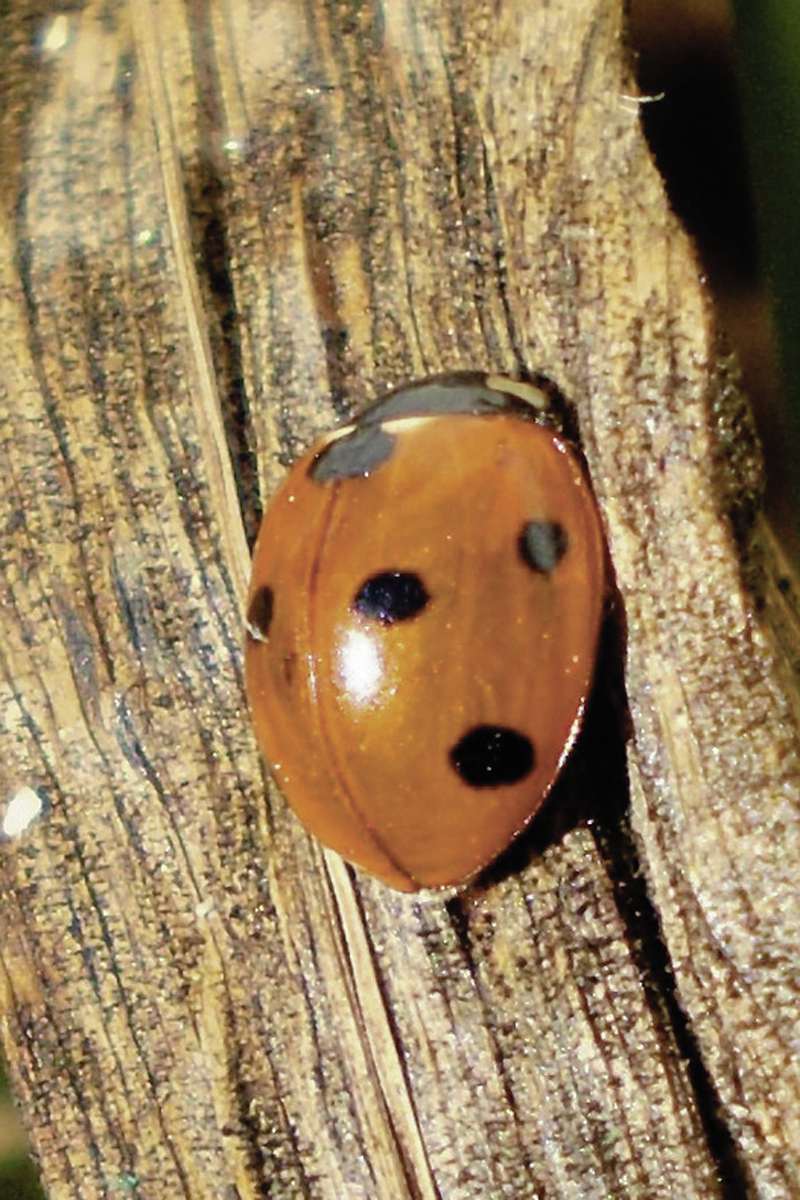
The ladybug’s feet also leave behind a trace of pyrazine, which serves to warn its predators and mark the ladybug’s territory. Ladybugs are predators of other insects and aphids, even eating the eggs of other ladybugs. These charming, innocent-looking insects are not only smelly, but cannibals.
In case we start dismissing the ladybug for its unladylike behaviour, ladybugs are actually useful to gardeners.
They prey on many harmful insects in gardens including cabbage moths and aphids. In the wild a ladybug’s lifespan can be between two to three years. One ladybug can consume up to 5,000 aphids in its lifetime. Ladybugs lay up to 1,000 eggs and on leaves where the plant eating aphids live. A soon as ladybugs hatch, they start feeding on insects.
Some people even purchase ladybugs at garden centres and release them in their garden. We have no need for that, since they live in big crowds in our Fort Garry neighbourhood.
Helen Lepp Friesen is a community correspondent for Fort Garry. You can contact her at helenfriesen@hotmail.com