

Online-shopping scammers here to stay

Advertisement
Hey there, time traveller!
This article was published 04/01/2021 (1799 days ago), so information in it may no longer be current.
Now that the holiday shopping rush is over, consumers are now left to use the gifts they got from under the tree.
Because many were bought online, a lot of those products may not be exactly what they seemed. This will leave both the gift giver and recipient with sinking feelings, as they watch what was supposed to be a kind and thoughtful gesture fizzle out.
It could be a retro video game you bought for your game-loving brother that didn’t work when placed in the console. It could be a necklace for your mother that was supposed to arrive weeks ago but never materialized. It could be that you responded to an offer for a limited-edition toy your child begged for that you now realize was a scam.
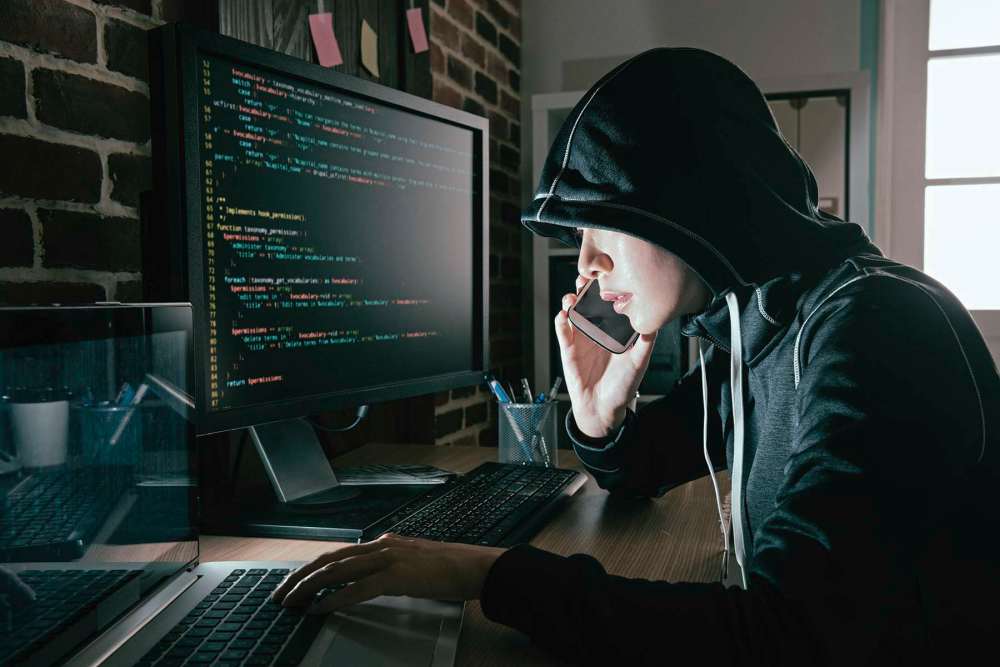
No matter what they might be, unfair online-shopping transactions leave buyers feeling terrible.
The Better Business Bureau wants to help. The BBB has been helping consumers identify ethical and unethical sellers for more than 100 years. With Manitoba still under code red restrictions, online shopping for the non-essentials is part of the new normal — a trend that will continue in some form even after restrictions are loosened.
So, if you are powering up your laptop or hitting your phone’s web browser for deals, here are some things to keep in mind:
• Scam artists are very good at cheating you out of your hard-earned money. In some situations, they create convincing websites that appear legitimate. They may mimic a well-known brand, but simply take your money (and your credit card information) when you check out. One easy way to check a site’s validity is to search for contact information. If it’s missing, that’s a red flag. You should also check to see if the site begins with https:// and includes a lock icon on the checkout page. Those are signs of more legitimate sellers.
• Scammers often con buyers through social media. They advertise products, often clothing, for low prices. If an ad recurs enough on a social media user’s feed, the user may be fooled into thinking it must be legitimate. These scammers also fake reviews and take down bad ones, further convincing the unsuspecting buyers. The products purchased often don’t measure up to the advertisements, if the buyers end up getting their orders at all. So, be extra cautious of email and social media ads, and anything that looks like a too-good-to-be-true deal.
For more tips on how to stay safe while online shopping, visit: www.bbb.org/article/tips/14040-bbb-tip-smart-shopping-online
For more information about your BBB and how they can help, visit www.bbb.org
— Trade-mark of the International Association of Better Business Bureaus used under licence.
Better Business Bureau
BBB helps people find and recommend businesses, brands and charities they can trust.
Our newsroom depends on a growing audience of readers to power our journalism. If you are not a paid reader, please consider becoming a subscriber.
Our newsroom depends on its audience of readers to power our journalism. Thank you for your support.
Better Business Bureau
BBB helps people find and recommend businesses, brands and charities they can trust.
Our newsroom depends on a growing audience of readers to power our journalism. If you are not a paid reader, please consider becoming a subscriber.
Our newsroom depends on its audience of readers to power our journalism. Thank you for your support.
Advertisement Advertise With Us