

Chill out, and give those reds a wee blast of cold
The room-temperature rule has merit, but also conditions

Advertisement
Read this article for free:
or
Already have an account? Log in here »
To continue reading, please subscribe:
Monthly Digital Subscription
$0 for the first 4 weeks*
- Enjoy unlimited reading on winnipegfreepress.com
- Read the E-Edition, our digital replica newspaper
- Access News Break, our award-winning app
- Play interactive puzzles
*No charge for 4 weeks then price increases to the regular rate of $19.00 plus GST every four weeks. Offer available to new and qualified returning subscribers only. Cancel any time.
Monthly Digital Subscription
$4.75/week*
- Enjoy unlimited reading on winnipegfreepress.com
- Read the E-Edition, our digital replica newspaper
- Access News Break, our award-winning app
- Play interactive puzzles
*Billed as $19 plus GST every four weeks. Cancel any time.
To continue reading, please subscribe:
Add Free Press access to your Brandon Sun subscription for only an additional
$1 for the first 4 weeks*
*Your next subscription payment will increase by $1.00 and you will be charged $16.99 plus GST for four weeks. After four weeks, your payment will increase to $23.99 plus GST every four weeks.
Read unlimited articles for free today:
or
Already have an account? Log in here »
Hey there, time traveller!
This article was published 23/10/2021 (1506 days ago), so information in it may no longer be current.
‘Someone just messaged me and said that most red wines are supposed to be chilled… I’ve never blocked someone so fast in my entire life.”
So John Rush recently said to his 20,000-plus followers on Twitter (@JohnRush32), with his normal dose of humour and cheek. He may be a professional athlete, best known as a member of the Winnipeg Blue Bombers, but I couldn’t sit idly by without letting him know that that “someone” was right — to an extent.
My reply: “Block me if you must but 10-15 minutes in the fridge is almost always the move. Cellar temp (ideal – 16-18 C) isn’t the same as typical North American room temp…” (He did not block me, for what it’s worth.) I followed up by “threatening” to write a whole column about chilling reds (again) and, well, here we are.

The fact is, we tend to drink our red wines too warm. The long-held notion that reds should be served at “room temperature” is fine if your house is typically between 16-18 C, which historically has often been the case in older homes (often built of stone, with cooler cellars) in Europe. For most of us on this side of the pond, however, that’s not the case, particularly as temperatures outside start to drop and we crank up the furnace. (To be fair, Rush let me know he hadn’t yet turned on the heat, so his place was currently about 15 C, a great temperature to drink your reds.)
Now, serving a red fully chilled — at the temperature we typically associate with white wines — would be a bad move. When reds are that cold the fruit flavours become muted and the tannins and oak aging (if any) become overpowering. The flip side, when a red wine is served too warm, sees the alcohol become more prominent and the fruit less fresh. But a red chilled for 10-15 minutes often hits that sweet spot, brilliantly balancing freshness and structure.
Not all reds are created equal, and not all take to chilling in the same way. Roughly speaking, the lighter in colour a wine, the cooler the temperature. Pale reds made from grapes such as Gamay or Pinot Noir do well with a good blast in the fridge, while heavier, more opaque and tannic reds (think oakier Cabernet Sauvignon, Shiraz, Malbec or Merlot) are best with just a slight chill.
The same can be said for white wines. Pale, lighter-bodied whites such as Pinot Gris/Grigio, Riesling, Sauvignon Blanc and the like do best straight out of the refrigerator, while deeper-coloured, rich and heavy whites such as Viognier or an oak-aged Chardonnay are ideal when not quite so cold.
All this being said, John (and others), there are no hard and fast rules when it comes to this stuff — it’s all a matter of taste and personal preference. But give this little science experiment a try: Throw your red in the fridge for 10-15 minutes before you taste it. Take it out, pour yourself an ounce or two and give it a try. Leave the bottle on the counter and let it warm up for five or 10 minutes, then try it again to see how the flavours have changed. Repeat. If you feel like it’s getting a bit too warm, toss it back in the fridge for a bit longer.
All done with the wine for the night? Pop it back in the fridge until you want another glass. Storing an open bottle of red in the fridge (versus on the kitchen counter) will help preserve the wine for an extra day or so before it starts to go bad. Just pull it out of the fridge about 20 minutes before serving and you’re good to go.
If he hasn’t yet blocked me for writing this article, let’s see what Rush thinks of this trick I learned from a fellow wine writer some time back: If your glass of wine is too warm, pop an ice cube in it, stir quickly for about 10 seconds and then remove the ice cube. The ice cube is in there for long enough to change the temperature of the wine without diluting the flavours. It seems sacrilegious, and I was skeptical until I tried it, but it works.
uncorked@mts.net
Twitter: @bensigurdson
Wines of the week

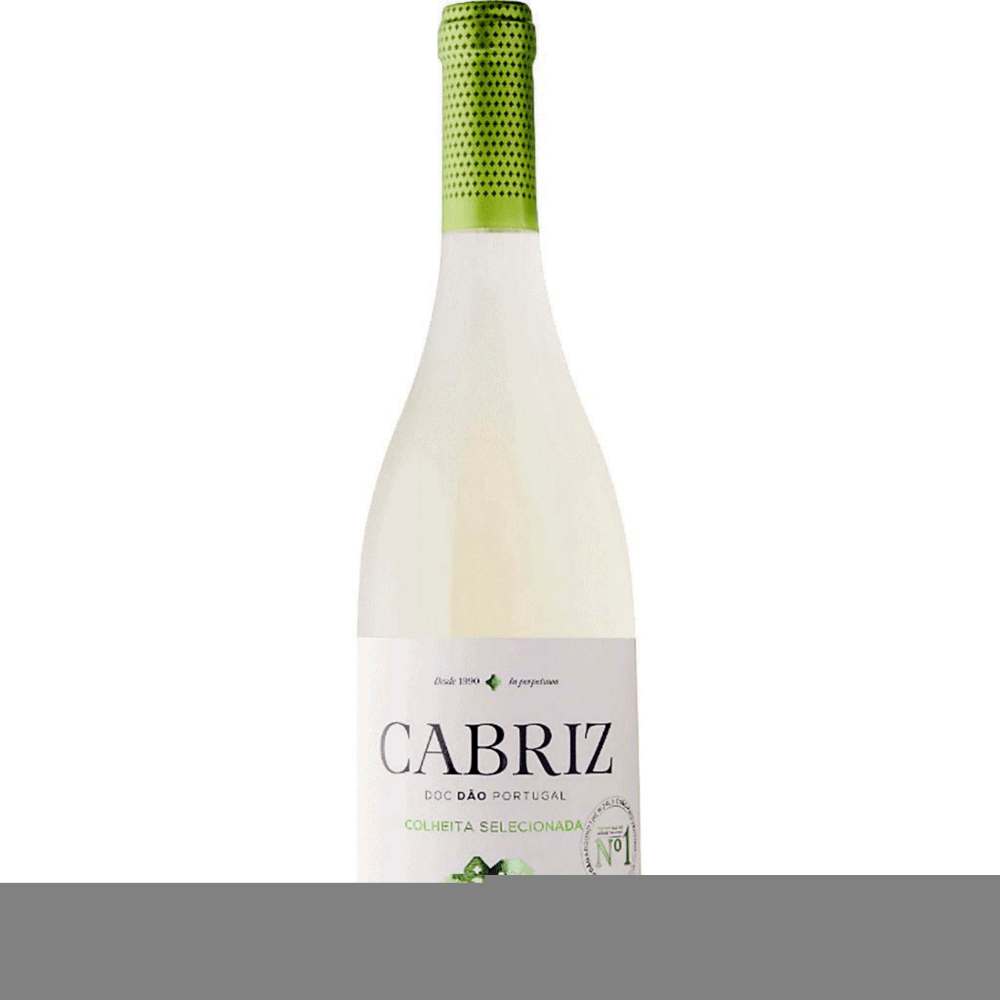
Cabriz 2019 Colheita Selecionada Branco (Dão, Portugal – $15.99, Liquor Marts and beyond)
Pale straw in colour, this Portuguese white is a blend of Encruzado, Malvasia Fina, Bical and Cerceal Branco grapes. Fresh pear and red apple work well on the nose with floral, pineapple and subtle honey notes. It’s dry and medium-bodied, with a viscous texture that ramps up the ripe pear and apple flavours, delivers ripe melon and peach notes and persists through to the slightly honeyed finish. Decent on its own, but probably ideal with white fish or milder pork dishes. 3/5
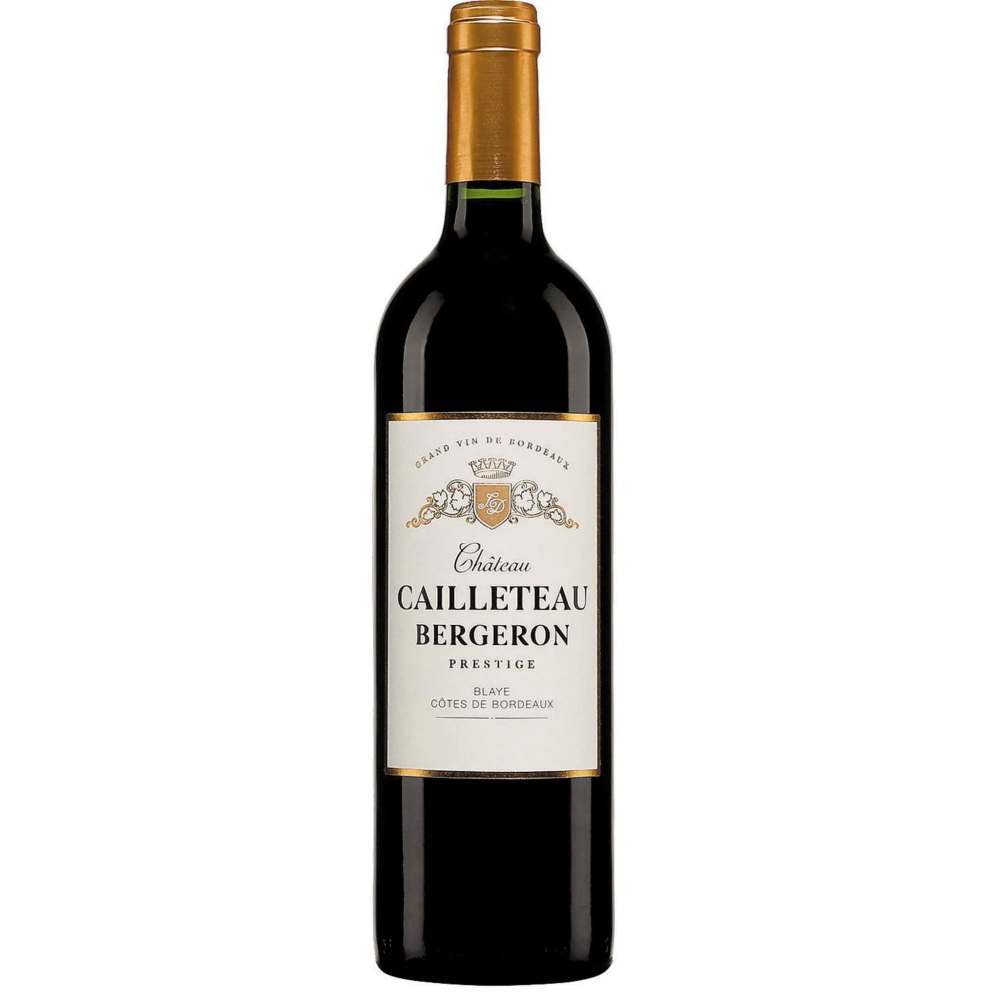
Château Cailleteau Bergeron 2018 Prestige red (Blaye Côtes de Bordeaux, France – $20.07, Liquor Marts and beyond)
Comprised of 80 per cent Merlot and 10 per cent each of Cabernet Sauvignon and Malbec, this red Bordeaux brings big earth and espresso notes that show well with the plum, blueberry, cassis and woody aromas. It’s full-bodied and dry, with rustic earth and spice notes that accompany the dark fruit, a black tea component that arrives with the medium tannins and a long, slightly warm finish. Drinking well on its own now, could be put away for three to five years or would pair well with steak, fajitas or ribs. Serve slightly chilled, of course. 4/5
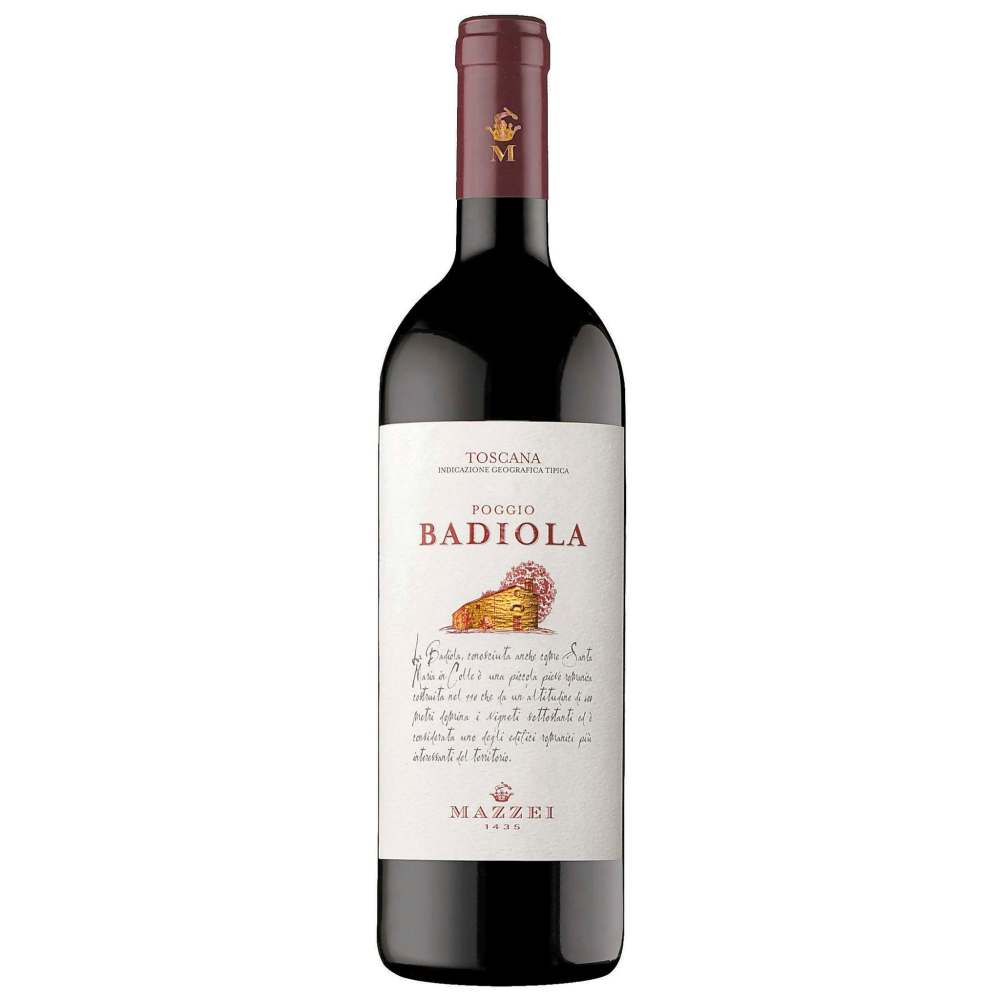
Mazzei 2019 Badiola (Toscana, Italy – around $21, private wine stores)
This Tuscan red is 65 per cent Sangiovese, 30 per cent Merlot and five per cent Petit Verdot. There’s a hint of earth and barnyard aromatically, but the cherry, raspberry and plum notes dominate. It’s medium-plus bodied and a touch rustic, with slightly leaner red fruit flavours coming with a splash of acidity, black tea notes, some spice from 10 months in barrel and a long finish. Drink now. 3.5/5
Our newsroom depends on a growing audience of readers to power our journalism. If you are not a paid reader, please consider becoming a subscriber.
Our newsroom depends on its audience of readers to power our journalism. Thank you for your support.
Our newsroom depends on a growing audience of readers to power our journalism. If you are not a paid reader, please consider becoming a subscriber.
Our newsroom depends on its audience of readers to power our journalism. Thank you for your support.
Advertisement Advertise With Us
Advertisement Advertise With Us